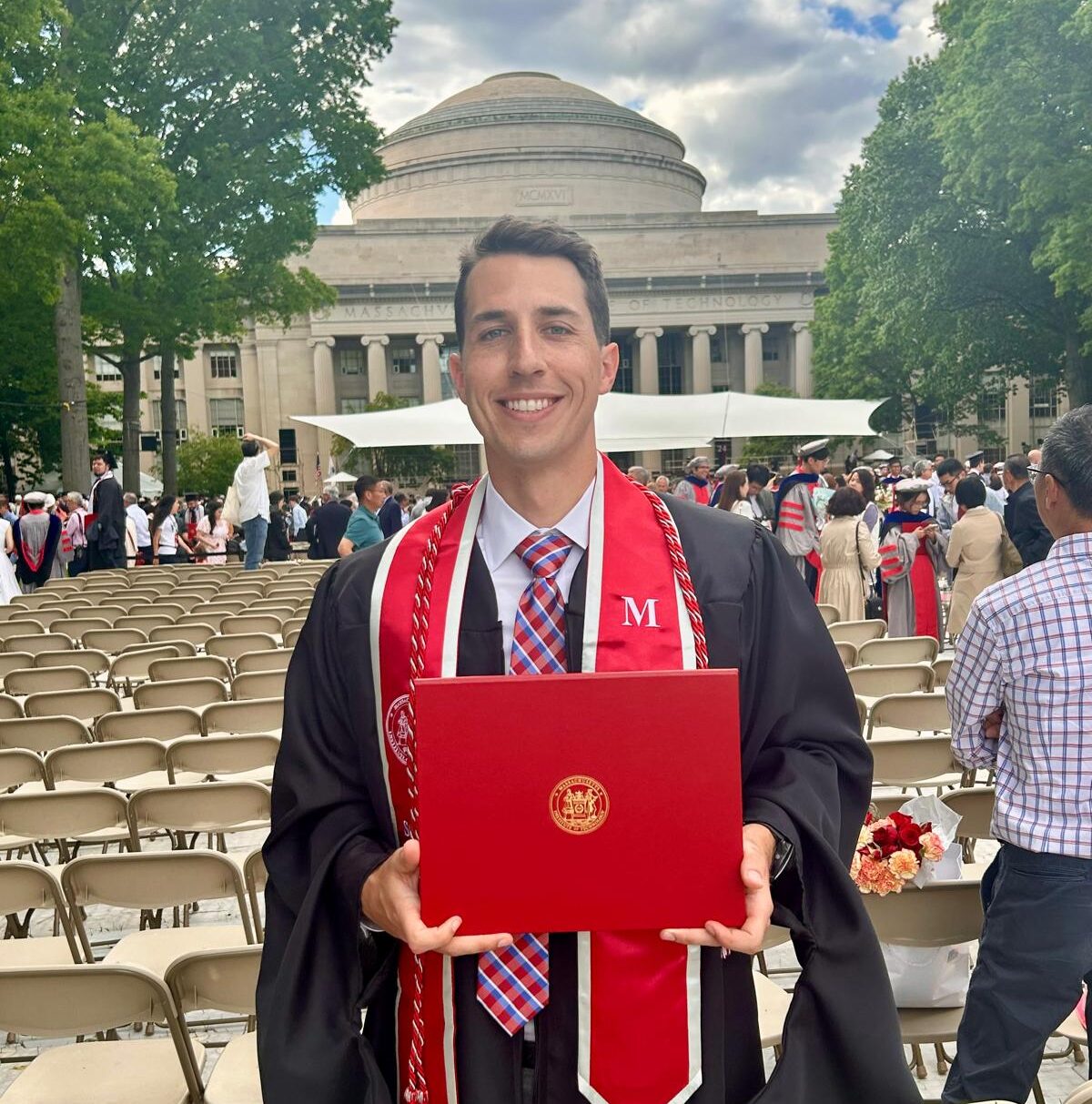
When Drake Turnquist arrived at MIT’s Supply Chain Management (SCM) Master’s program, he wasn’t just looking to advance his résumé—he was looking for a reset. After four years in supply chain consulting, Drake knew he wanted to stay in the operations space but broaden his scope, sharpen his technical skills, and better position himself for long-term leadership. The MIT SCM program gave him the structure and flexibility to do exactly that, helping him pivot into a new phase of his career and prepare for roles with greater ownership and impact.
Today, Drake works at DoorDash in a general manager–style role that blends day-to-day operations with long-term strategy. His path is a perfect example of how MIT’s SCM Master’s program supports experienced professionals as they refine their direction, expand their capabilities, and step confidently into what’s next.
Where did you go to undergrad and what did you study?
I was born and raised in Greenville, South Carolina, and I went to the University of South Carolina for undergrad. I studied supply chain management and international business. I originally thought about engineering, but I knew I was more interested in the business side and having a career that might be more global. Supply chain was explained to me as “engineering for business,” and that really clicked. During undergrad, most of my internships were in procurement. I worked in materials management and procurement roles, including at Fluor Corporation and Bank of America. Those experiences helped me understand what parts of supply chain I liked and what I didn’t.
How did you find out about the MIT program and what made you choose it over other schools?
I started with the MIT MicroMasters program. For me, it was both a learning opportunity and a test run. I wanted to better understand optimization, modeling, and how finance relates to supply chain, but I also wanted to be sure I was willing to commit to a full-time graduate program.
I considered MBAs and other Master’s programs, but I wasn’t trying to pivot into private equity or investment banking. I liked operations and wanted to sharpen my technical skills. What really differentiated MIT was that the supply chain program requires work experience. The cohort dynamic was stronger because people were bringing real-world context into the classroom. From a career outcomes perspective, the program was also more comparable to an MBA than to programs designed as a fifth or sixth year after undergrad. The other big factor was balance. The MIT SCM program felt like the right blend of business and technical experience without being overly narrow in one direction.
What was your favorite part about the Supply Chain Management program?
I met my fiancée in the program, so that’s number one. But program-wise, the biggest thing was the flexibility. I was able to dive deeper into areas I was most interested in while also exploring completely new topics. I took computer science classes, which pushed me technically. I took a global economics course with a professor who won the Nobel Prize. I focused on supply chain strategy and network design, and I gained more exposure to finance. Being able to go deeper where I wanted, while also taking intellectually interesting classes that weren’t directly tied to my career, made the experience incredibly valuable.
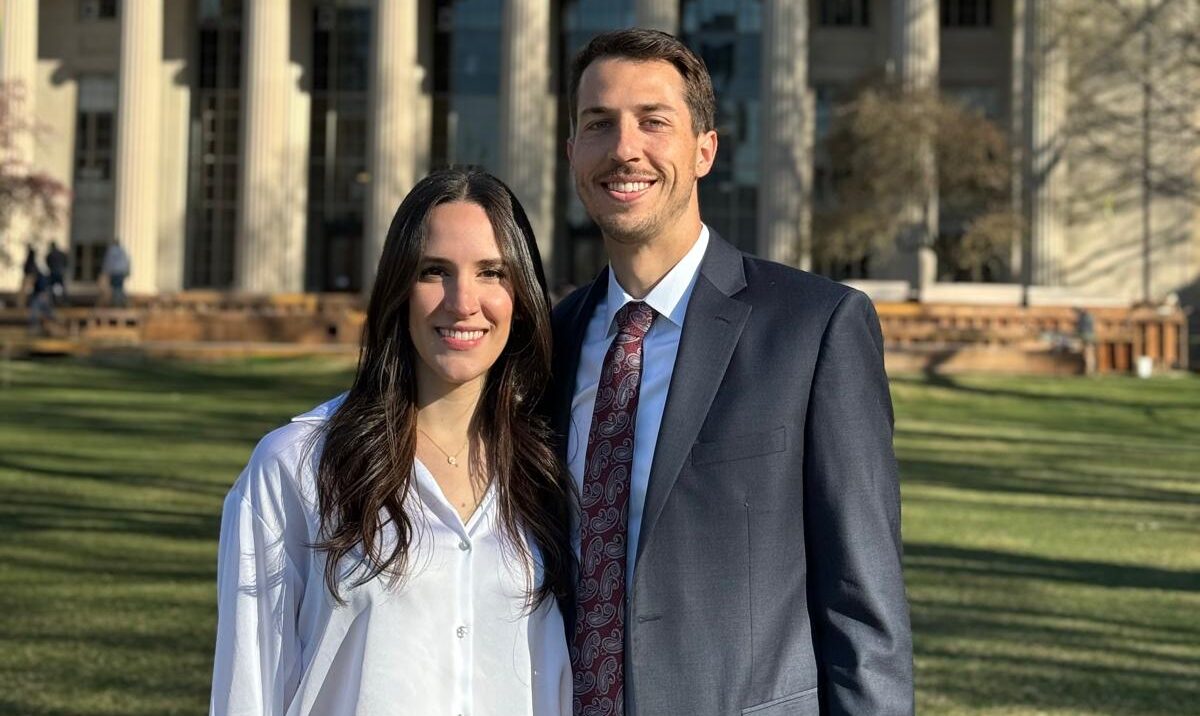
Drake and his fiancée, Loreto Cantú ’24
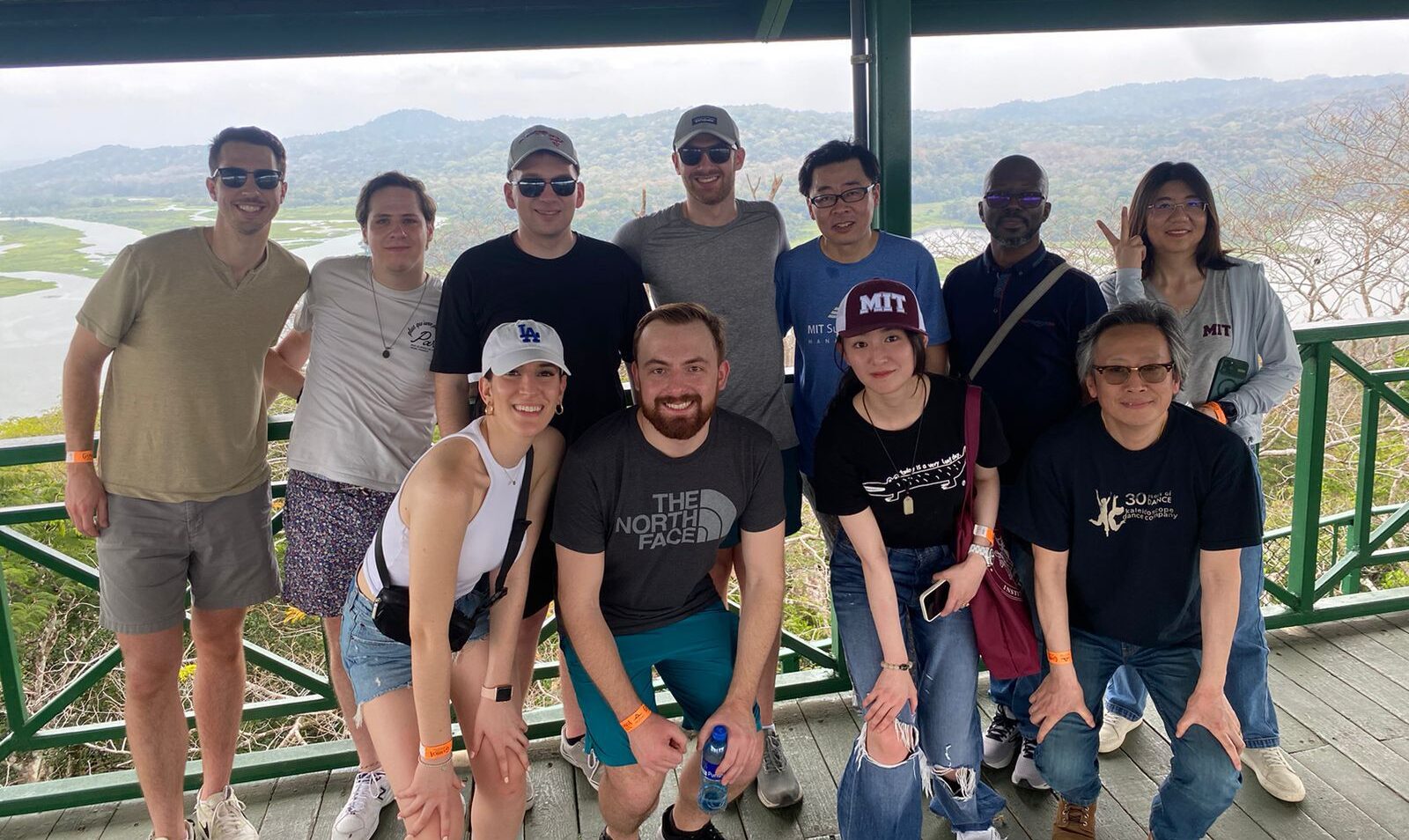
Sightseeing in Panama on the SCM Trek
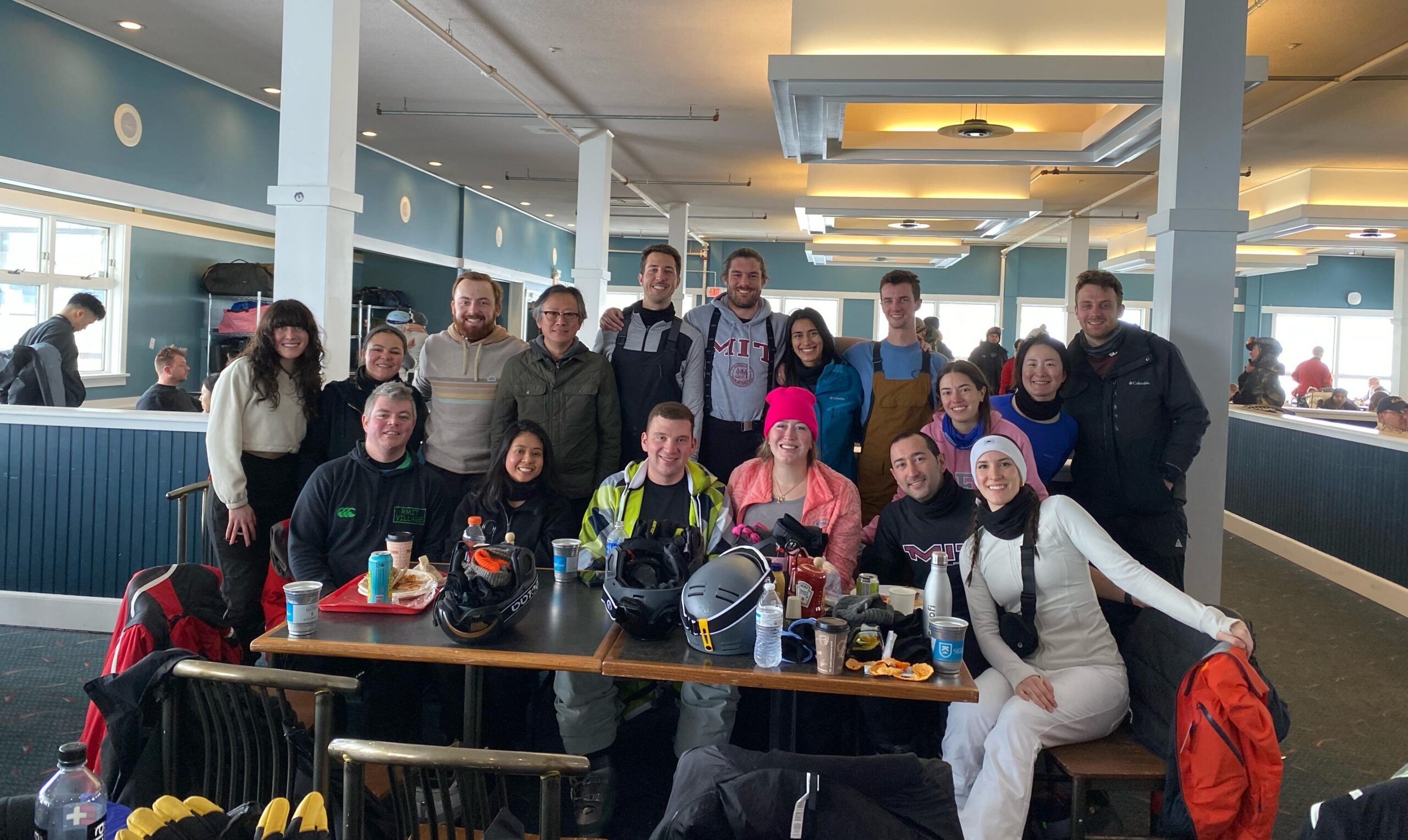
Hitting the slopes with the Class of 2024
What was the most surprising part of the program?
I came in thinking I would be head down in a book 24/7, but I didn’t realize how many opportunities there were outside the classroom. I went to events and conferences, joined rowing in Boston, and got exposed to a lot of startup activity. There was much more room to explore than I expected.
What type of person would you recommend for the program and why?
There’s no cookie-cutter background that fits the program best—that’s part of what makes it great. Our cohort included people from nearly 20 countries, a wide range of ages, and backgrounds spanning traditional supply chain roles, data science, and venture capital. I’d recommend the program to people who are interested in learning how to operate globally and who want to bridge business and technology. It sits at an interesting intersection, being in the weeds operationally while also thinking strategically, and that overlap is where the program really shines.
Did you return to your previous company after graduation?
No, I didn’t go back. I came into the program thinking I might return to consulting, but that changed over time.
How did the program support a career pivot?
When consulting didn’t work out, it forced me to really think about what I wanted to do next. I had a lot of conversations with the MIT SCM Professional Development team around what kind of problems I wanted to work on, where I wanted to live, and what mattered to me. Not getting what I initially expected ended up being a good thing, it pushed me to be more intentional.
There’s no cookie-cutter background that fits the program best—that’s part of what makes it great.”
You’re now working in operations and strategy at DoorDash. How did you find that role, and how did the Master’s program help?
I narrowed my search to business operations and strategy-type roles. I wanted something that combined true operational work with exposure to long-term growth and strategy. I had a referral through someone I knew, but the program really helped me frame my story during interviews. The biggest help was being able to clearly explain why I came to MIT: to shift my focus, broaden my skill set, and prepare for a different kind of role. The guidance on storytelling and positioning my experience was extremely valuable.
How is what you learned in the program helping you in your day-to-day work?
One of the biggest takeaways is the ability to translate between business and technical teams. I’m not a software engineer, but the program gave me enough understanding of modeling, data, and code to have productive conversations and drive toward business outcomes.
Courses in system dynamics and last-mile logistics have been directly applicable at DoorDash. I also use what I learned about communicating with data, taking analysis and turning it into a narrative that drives decisions. The program helped me become comfortable being “dangerous enough” with technology to test ideas before bringing them to specialists.
How would you describe the value of the alumni network?
In the short term, it’s been great for bouncing ideas around and talking through challenges with peers. Long term, I think the value will only increase as people grow into leadership roles. It’s also a genuine community, and many of these relationships extend well beyond work.
In a sentence or two, what is the biggest value of the program?
The biggest value is the ability to experiment. The program gives you the freedom to choose where to go deep, test different paths, and figure out what actually makes sense for you—even if it’s different from what you originally planned.
What is your long-term vision for your career?
The program shifted my mindset from focusing on titles to focusing on solutions. I’ve realized I enjoy owner-operator or general manager–type roles where I can balance hands-on operations with long-term strategy. Over time, I see myself continuing in those kinds of roles, potentially at earlier-stage companies, and maybe one day running my own business. MIT helped me build the foundation and confidence to pursue that path.
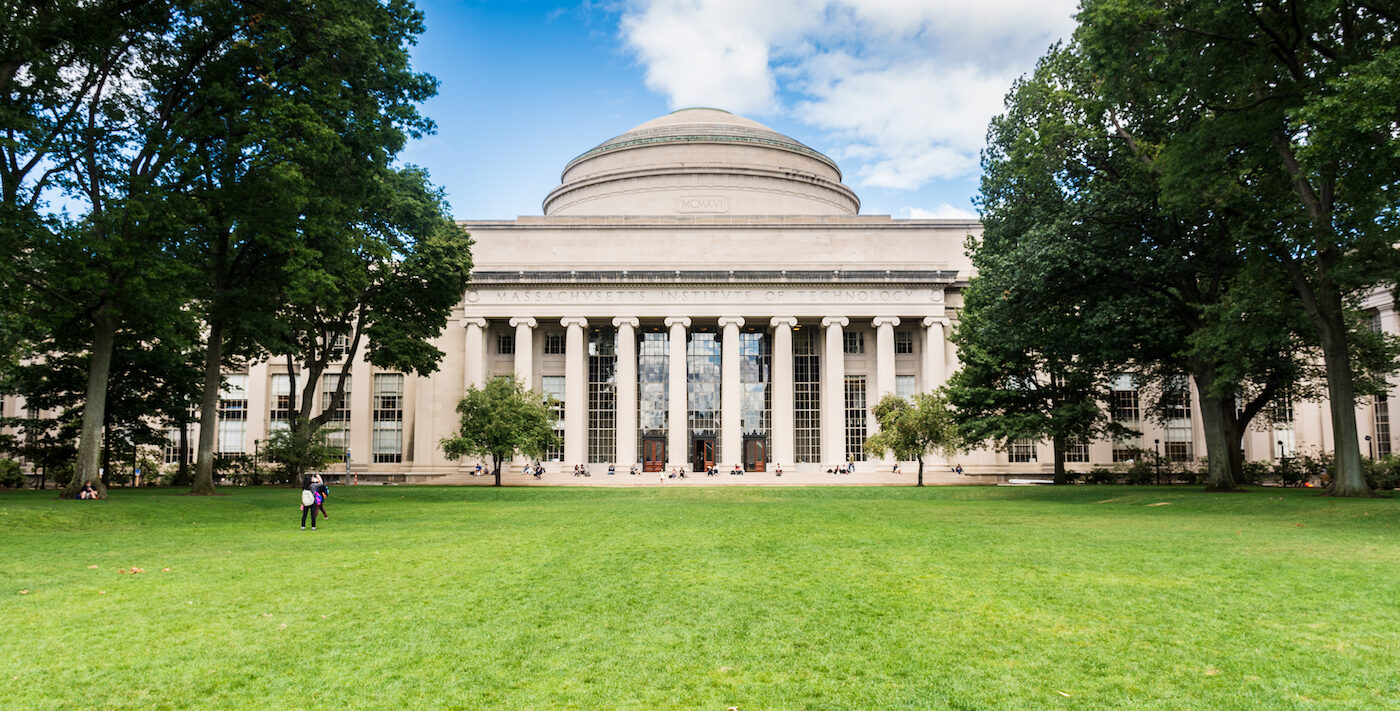
Transform Your Career at MIT
If you’re inspired by Drake's experience and curious about what the program could do for your career, we’d love to hear from you! Learn more about the MIT Supply Chain Management Master's Program below.
Learn More