
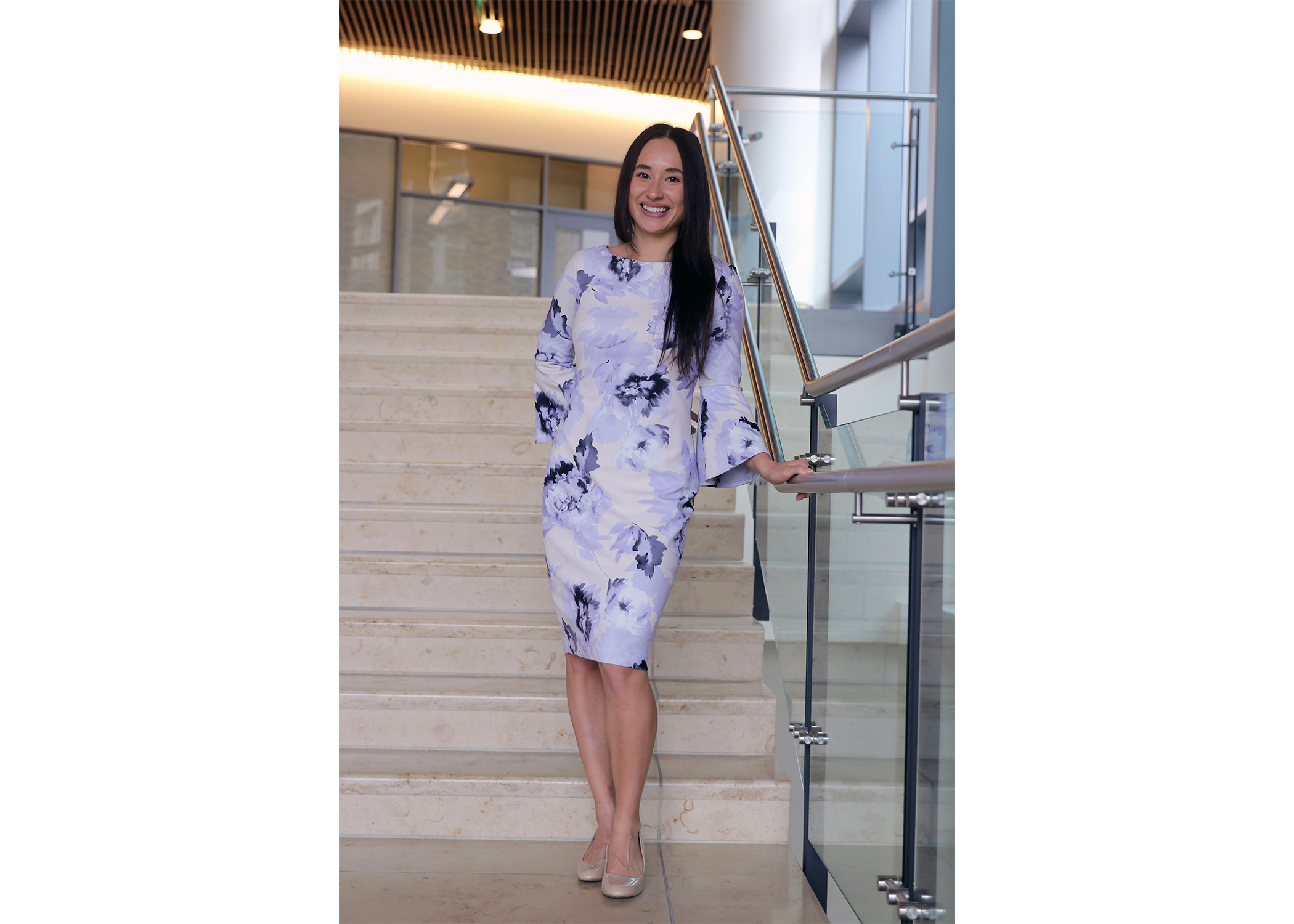
Ask any MIT SCM student how they got here and you’ll hear a completely different story every time. My path? It wasn’t fast, direct, or obvious. It was built on years of small steps made with intention despite uncertainty.
If you’re a prospective student, I hope sharing my journey helps you reflect on your own. You don’t need to have everything figured out on day one. Slow and steady truly can win the race.
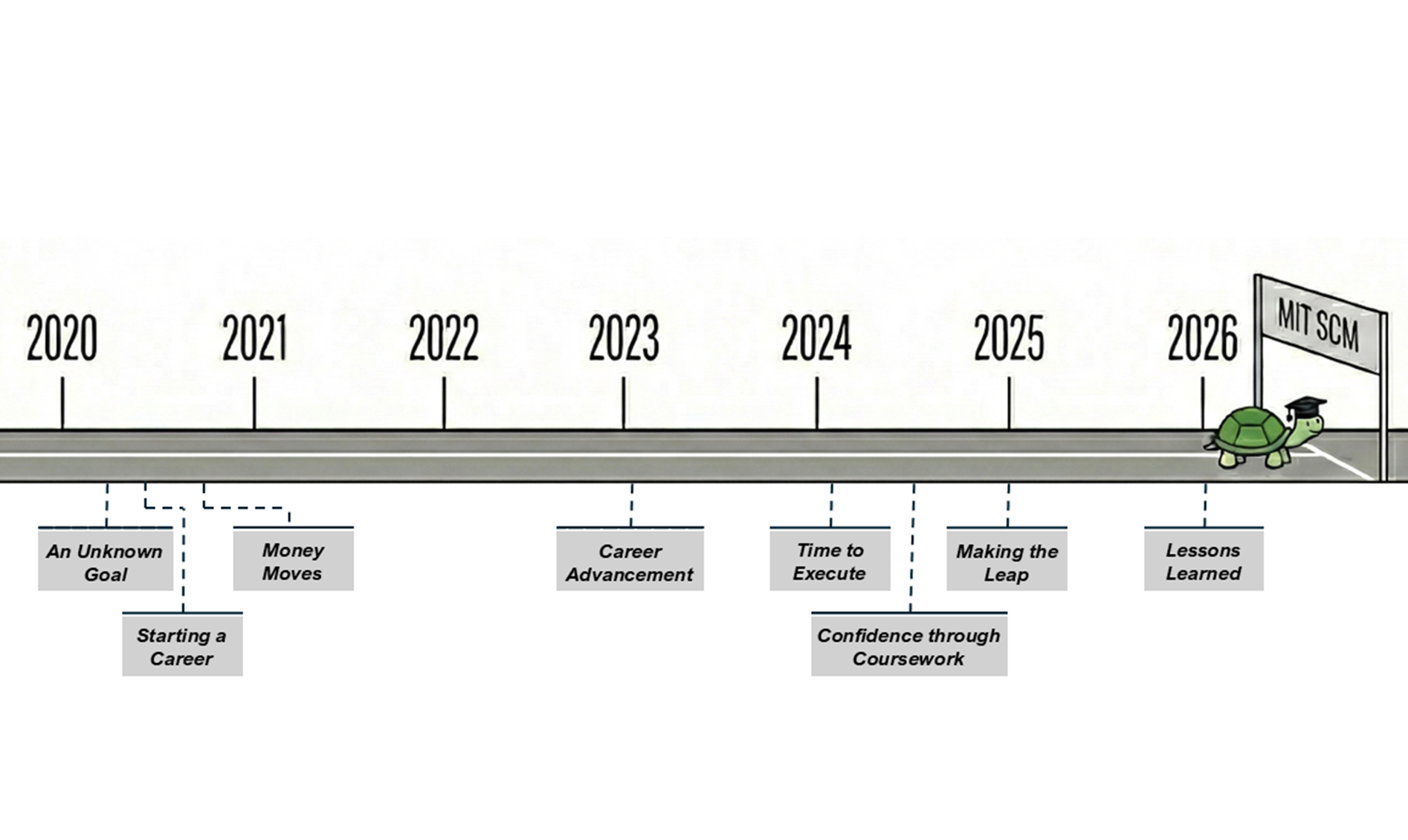
May 2020: An Unknown Goal
I graduated college knowing just one thing with complete certainty: One day, I wanted to go to grad school.
Why? Hard to say. Maybe it was my love for learning. Maybe it was a “you only get one shot at life, so send it” mentality. Either way, the seed was planted. I knew I’d pursue a master’s degree eventually.
What I didn’t know was everything else:
• What field would I study?
• Where would I go to school?
• How the heck would I pay for it?
I had a Bachelors of Science in Business Administration with a major in marketing and not much of a desire to build a marketing career. But fortunately, career paths are often messy, nonlinear, and full of unknowns. I figured the best and only way to find direction was to follow opportunities and collect experiences. Unknowingly, this mindset began my slow and steady journey to MIT SCM.
July 2020: Starting a Career
I started my career at a Class I railroad as a management trainee. Over two and a half years, I held three different roles and wore many hats. In one role I was helping to manage equipment; in the next I was providing economic updates to leadership.
I still had no idea what I’d pursue in grad school, but I was learning what I liked, disliked, and what I was good at. The path was starting to emerge…slowly.
September 2020: Money Moves
Grad school is both a time commitment and a financial one. With no idea where I’d end up, I wanted to at least make it financially feasible. So, I opened a 529 plan and assigned myself as the beneficiary.
If you’re based in the U.S., I’d highly recommending looking into a 529 plan. It’s like a 401(k) for education (think: tax advantages!) Over the next four and a half years, I contributed to it monthly. One small step at a time.
November 2021: Test Time
I still didn’t know what master’s program I wanted to pursue, but I knew a standardized test was likely part of the equation. After months of research, I decided to take the GRE for its flexibility.
Per test prep company Magoosh, it’s typical to study for 1-3 months. Me? I took 9.
Slow, steady, and sustainable. This strategy let me balance work, life, and studying.
January 2023: Career Advancement
My time at the railroad helped me discover my strengths and interests. Eventually, I found a new opportunity to work in strategy and market intelligence at a building products manufacturer. I didn’t have clarity about grad school yet, but I stayed committed to my approach: lean in, collect experiences, learn from others, and stay curious.
It is important to note that some of my most important mentors emerged from these companies. Without their guidance, and without these years of exploration, I wouldn’t be where I am today.
February 2024: Time to Execute
Two accountability levers kicked in:
• GRE scores expire after 5 years
• Using my 529 on anything other than education expenses could trigger penalties
Past me had set up a trap for future me to stay committed. It worked. It was time to determine what graduate experience I wanted to pursue.
By this point, I had enough experiences to understand my strengths, weaknesses, interests, and (importantly) what I didn’t want. To bolster my understanding, I drew from the perspectives of others. I spoke to dozens of people who had careers that fascinated me. A huge thanks to all those who generously offered their time: those within my network, through introductions from mentors, and many, many, strangers found throughout the internet.
Through these conversations a theme emerged: The roles in supply chain and operations interested me most.
June 2024: Confidence Through Coursework
Even with that insight, I can’t say I have the most traditional supply chain background. I had transportation exposure, manufacturing exposure, and analytics skills. But could I make the jump?
That’s when I found MITx MicroMasters. I took SC0x, the first course, and absolutely loved it. Finishing it was the confidence boost I needed. Maybe I can do this. Maybe this is the path.
January 2025: Making the Leap
Life is all about throwing yourself into positions where you don’t feel ready. In January 2025, that’s what I did. I submitted my application to MIT SCM. That application displayed my journey: Years of collecting experiences and tediously preparing to return to school.
Today: Lessons Learned
Today, I’m progressing through the program and I feel so lucky to be here. Furthermore, I’m unbelievably excited to for the next phase of my career in supply chain and operations.
Looking back, I felt like the turtle in the classic tortoise-and-hare fable. For me, slow and steady wins the race. But that’s only one version of the story. Many of my classmates had faster paths or even more winding ones.
Wherever you are in your journey, know there’s no single timeline, no perfect background, and no “ideal” moment to start. Collect your experiences. Follow your curiosity. Take small steps.
And trust that your path — slow, fast, nonlinear, or anything in between — can lead you exactly where you’re meant to go.
Maya Mercer is a graduate candidate in MIT’s Supply Chain Management Master’s program. With five years of experience in market research, strategy, and analytics, she brings a proven track record of driving meaningful change. Before joining MIT, Maya was a Manager of Strategy & Market Intelligence at Oldcastle Infrastructure, a leading manufacturer of building products, where she led strategic initiatives to identify and capitalize on key opportunities. Prior to Oldcastle, she held several roles at Norfolk Southern, a Class I railroad, where she developed a passion for all things supply chain. A native of Nebraska, Maya earned her Bachelor of Science in Business Administration from the University of Nebraska-Lincoln, graduating with highest distinction.