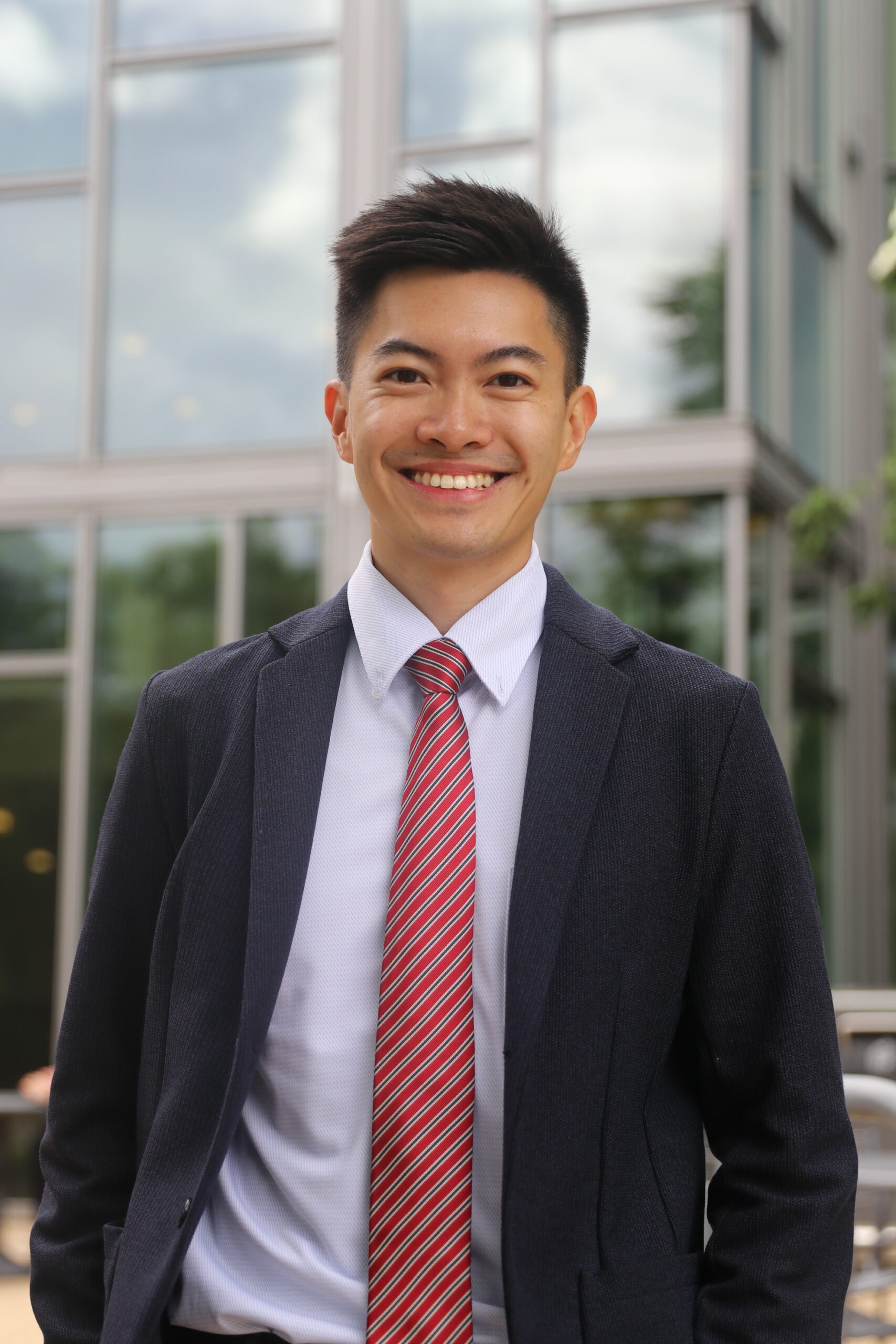
In my video statement for the SCM programme application, I remember saying that I saw myself representing the transportation sector, connecting stakeholders across the network and keeping things moving. Having built my career in aviation, I joined the program to better understand the broader supply chain landscape and to deepen my insight into transportation’s role in global supply chain operations. Now, as I reach the end of this journey and reflect on the experience, I realize it gave me exactly what I was looking for: a truly triphibian perspective across land, sea, and air.
Land: On-Time Performance is a Universal Language
Shortly after being accepted into the program, I was matched with a global 3PL company for my Capstone project, analyzing the key drivers behind the on-time performance (OTP) of Less-Than-Truckload (LTL) carriers. This felt like a natural bridge to my background. In air cargo, we rely heavily on extensive trucking networks to feed freight into hubs and complete the final mile. OTP is also a universal language across all modes of transportation—regardless of the sector, every shipper simply wants their cargo to arrive as scheduled. The opportunity to better understand the trucking business, work directly with real-world trucking data, and extract practical and operational insights was incredibly rewarding.
Sea: Going into the Centre of Geopolitical Tensions
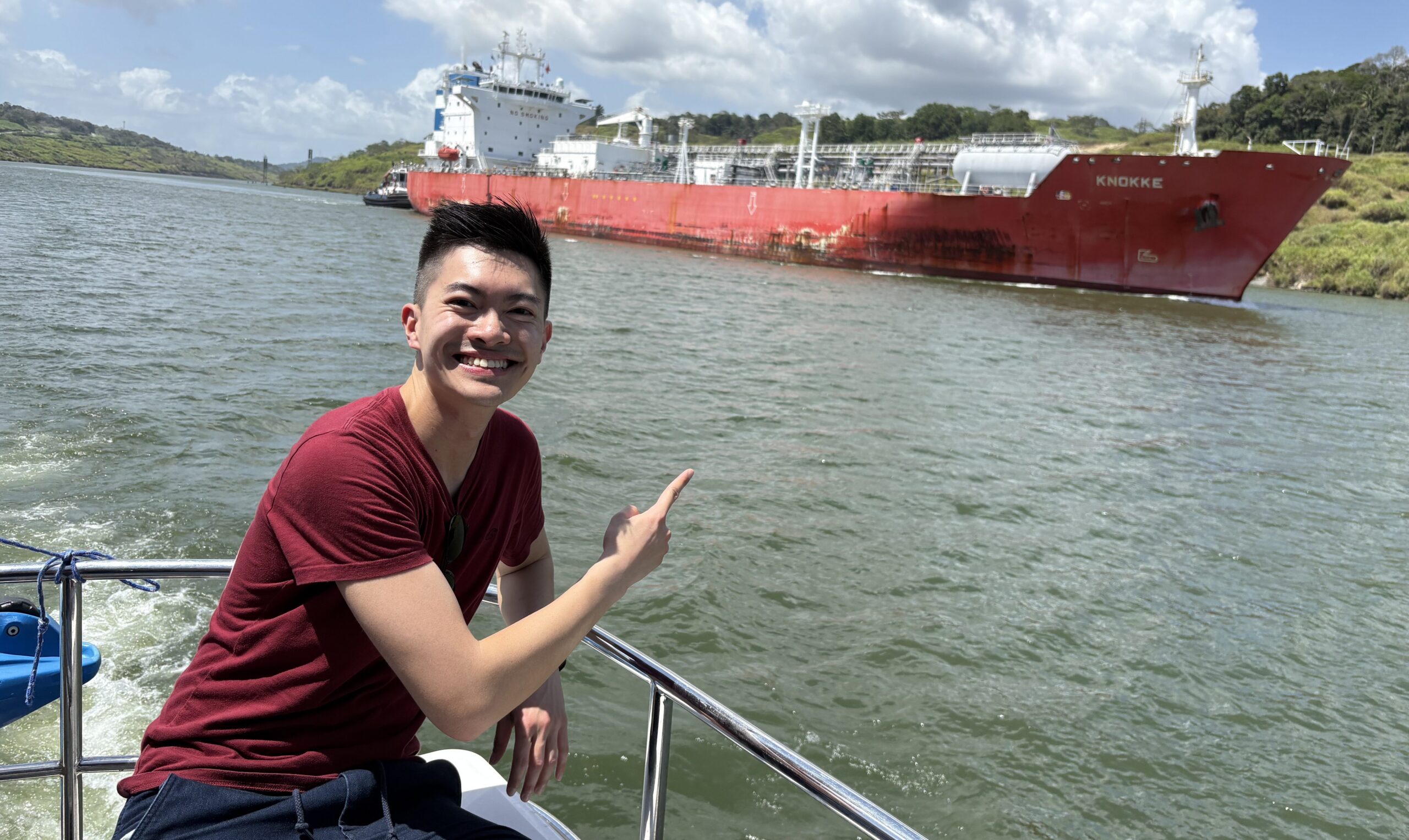
Our SCM study trek to Panama, which took us to one of the most geopolitically significant maritime chokepoints in global trade, is a highlight of the program. Connecting the Pacific and Atlantic Oceans, the Panama Canal is a vital corridor for global commerce.
Coming from Hong Kong, on the opposite side of the Pacific, I never anticipated passing through the canal by boat in person, while experiencing the local Latino and Caribbean culture. Witnessing giant Neo-Panamax container ships navigating the locks, carrying essential goods for countries worldwide, was a powerful experience. It is supply chain in action, on a massive scale.
Air: Safety Management — Revisited at Course 16
While exploring the world of supply chain, my professional roots remain firmly in aviation safety. Spending a semester on campus allowed me to register for airport design courses at MIT AeroAstro (known here as “Course 16”) and conduct a research project on how airfield geometry impacts runway safety.
After more than a decade in the corporate world, it has been a rare opportunity to carry out research and uncover new insights in my own professional field. MIT has a unique environment where intellectual curiosity thrives, and this experience completely rekindled the same passion and drive I had when I first entered the aviation industry from college.
The Final Landing
MIT has completed my triphibian journey through transportation. I am sure anyone who comes here—regardless of their sector—can discover a uniquely meaningful journey of their own.
Timothy Leung is a graduate of the MIT Supply Chain Management Masters Program, Class of 2026. Timothy is a passionate aviation professional with a career background in airport services management. Timothy gained holistic management experience at multiple international and domestic airports in areas including ground operations, quality assurance, project delivery and digital transformation.