Menu
  • SCM Voices Blog
  • News and Events
  • Corporate Engagement
Apply Now
Search

At the MIT Center for Transportation & Logistics

  • Admissions
  • Directory
  • Education
  • Employment Outcomes
  • Experiential Learning
  • Student Experience
  • Search
  • Balancing Academics and Fun: My Journey at MIT

    June 15, 2023

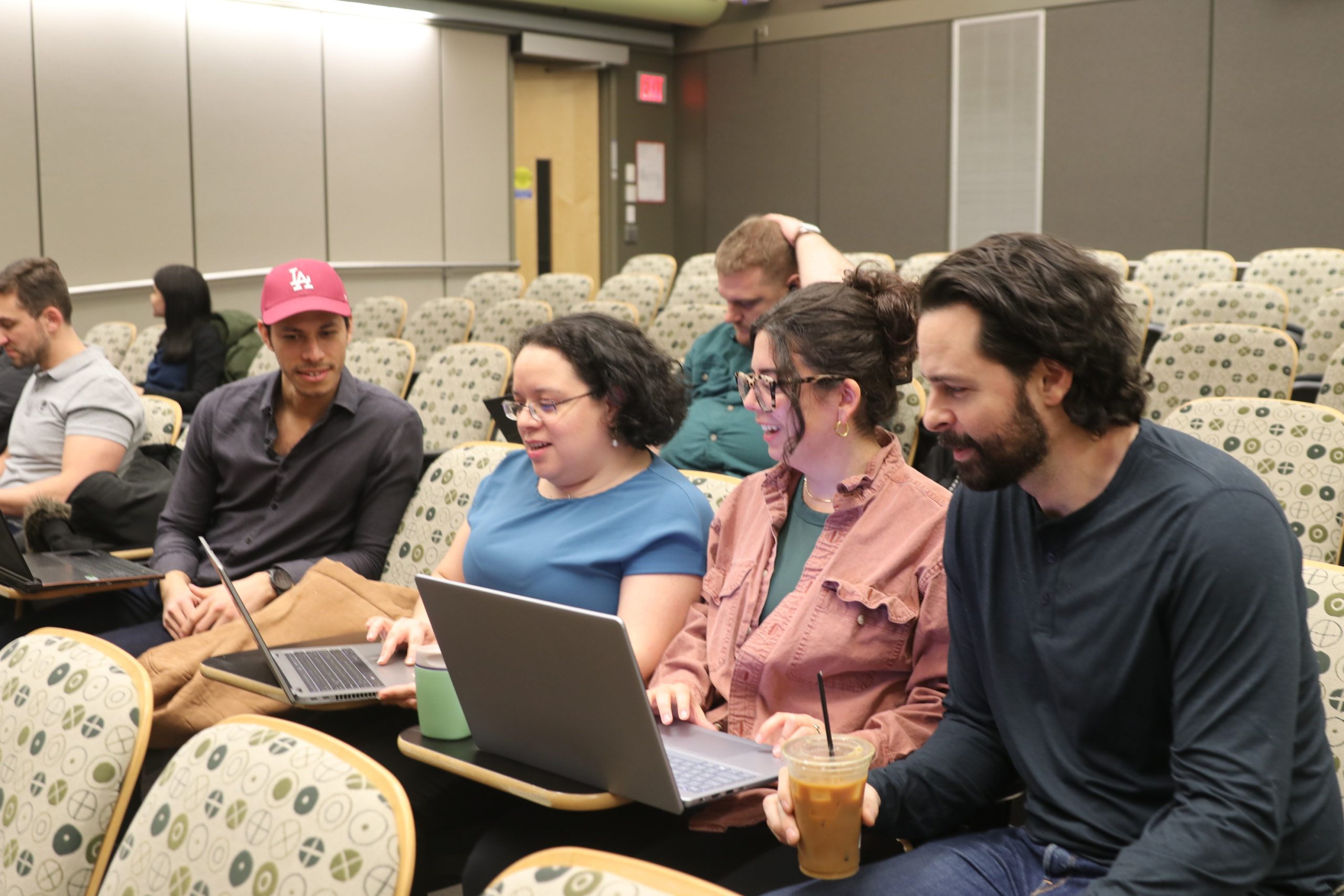
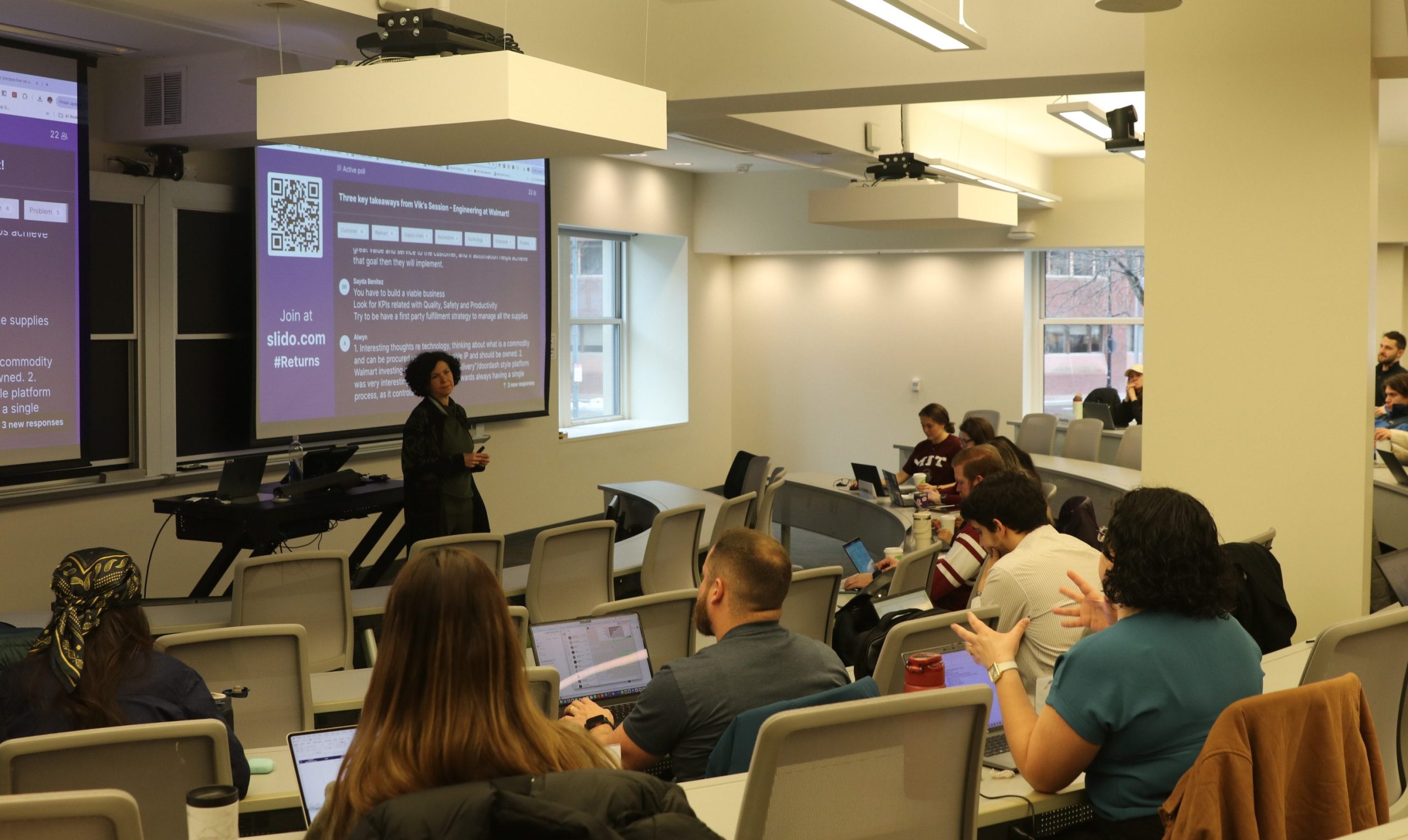
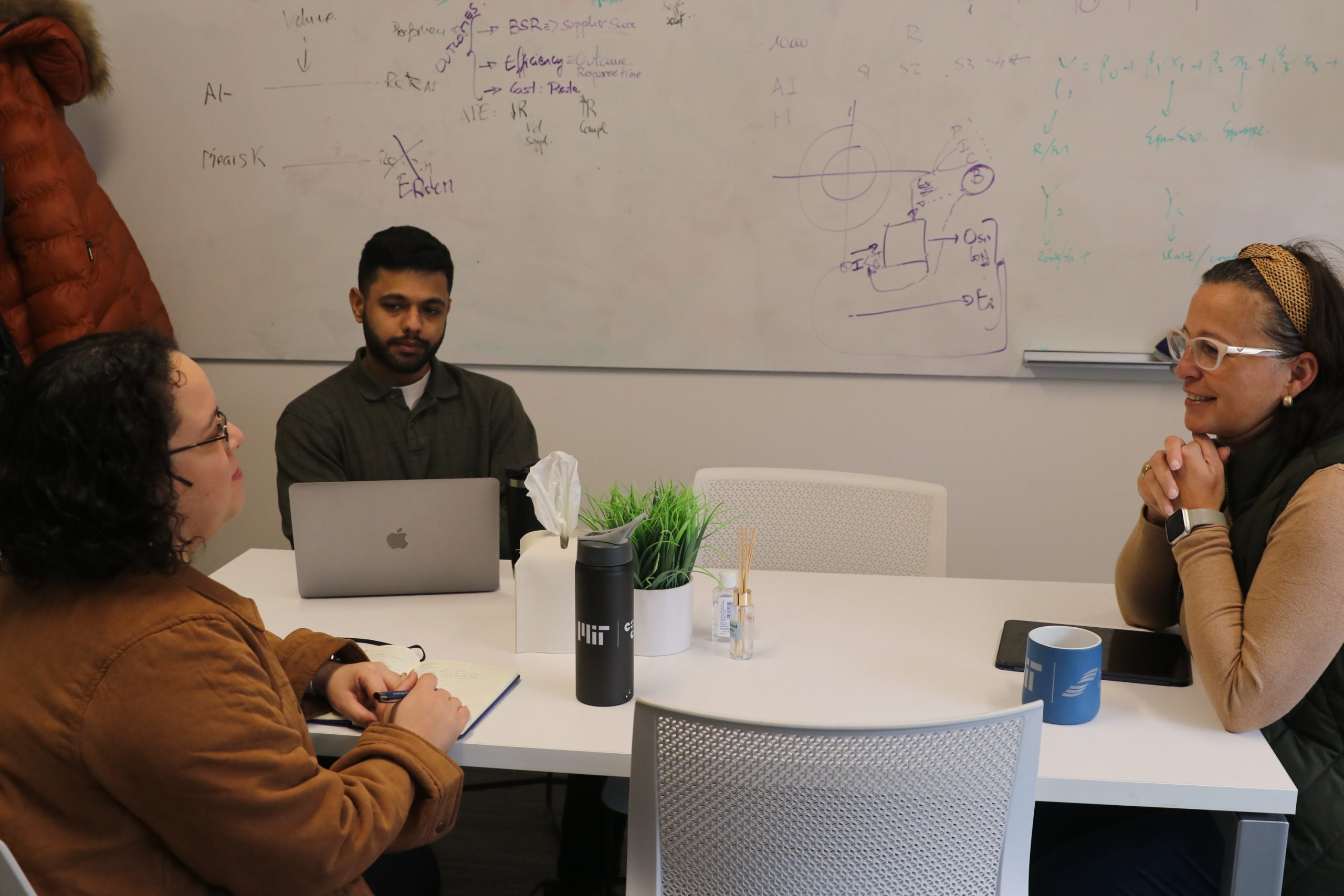
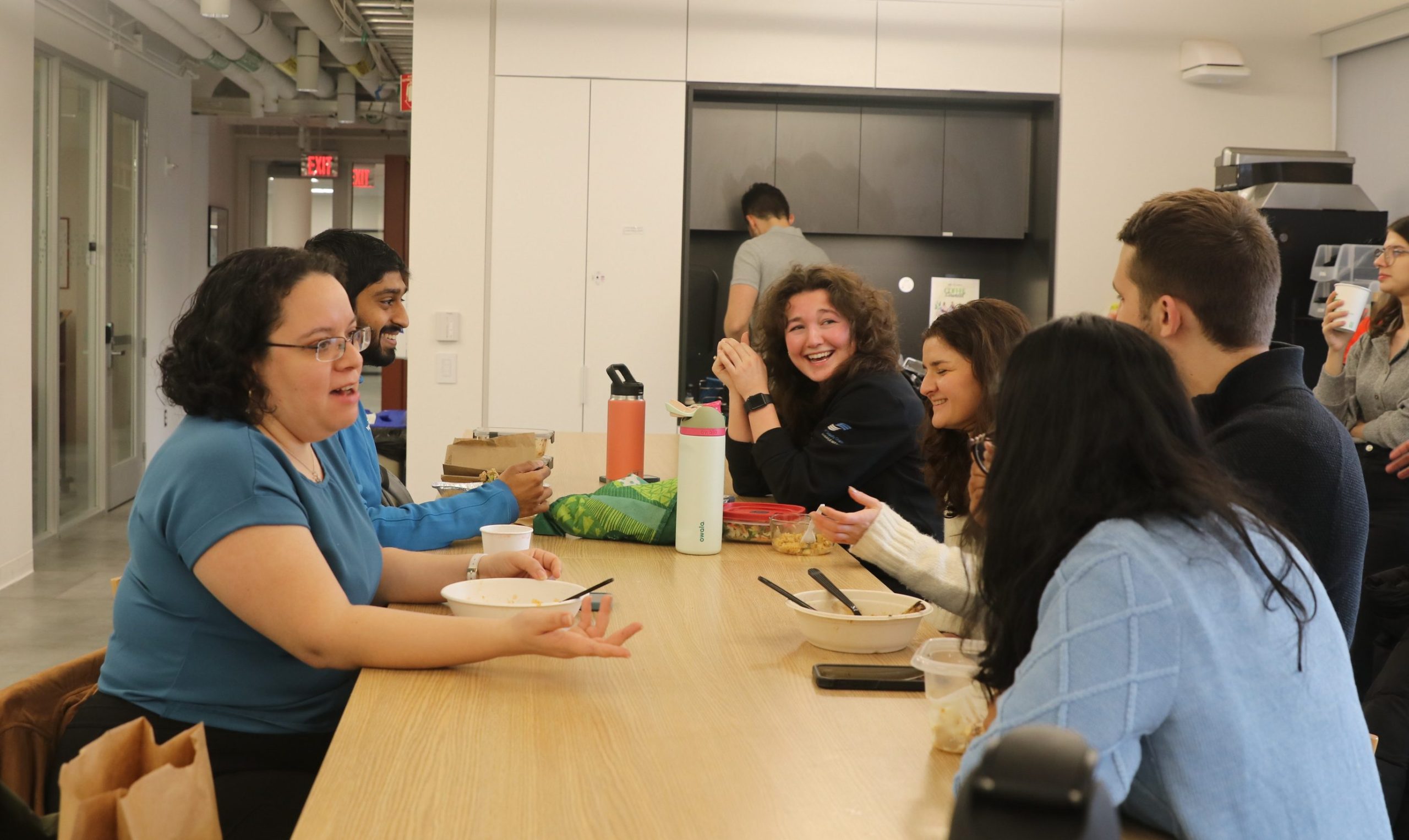
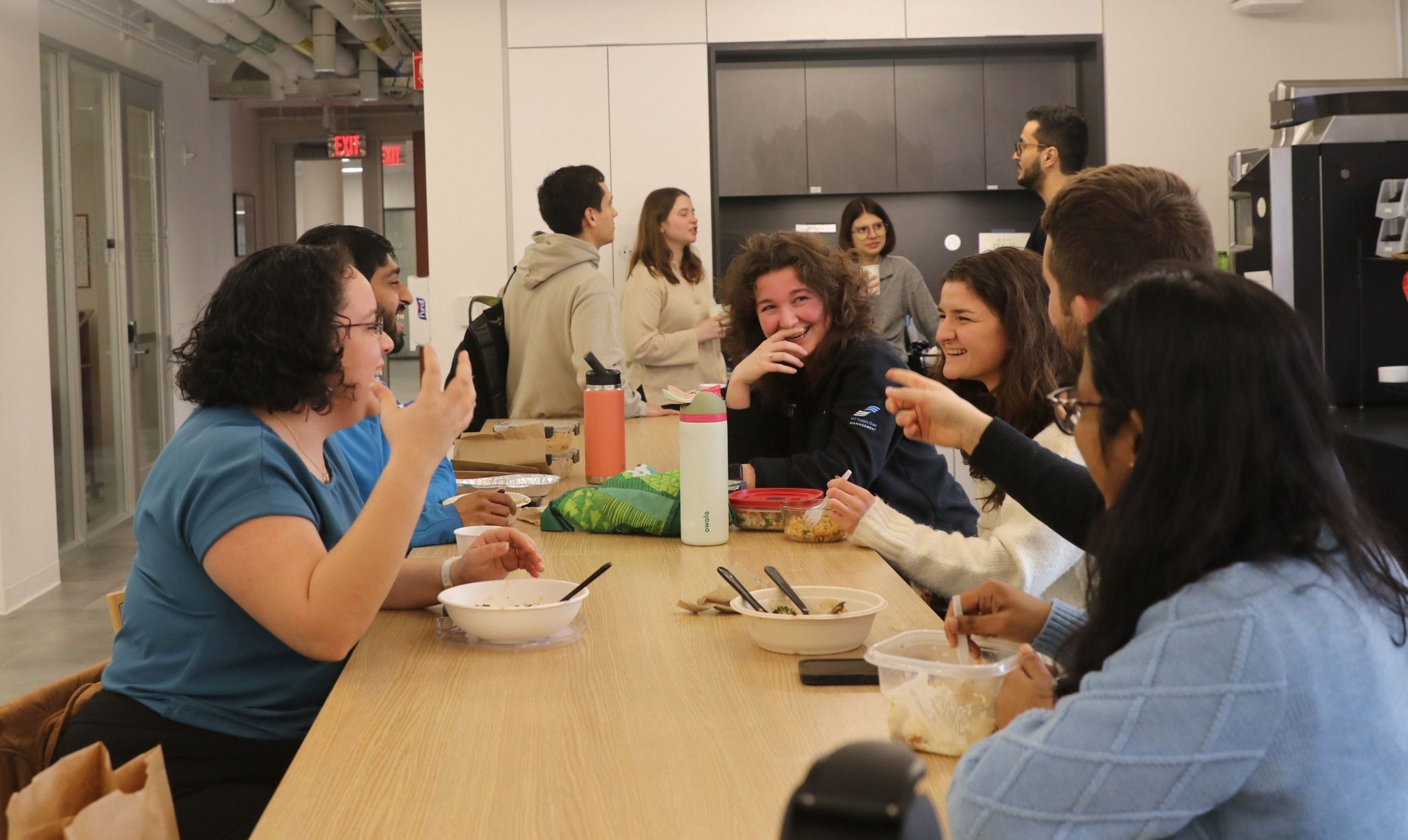
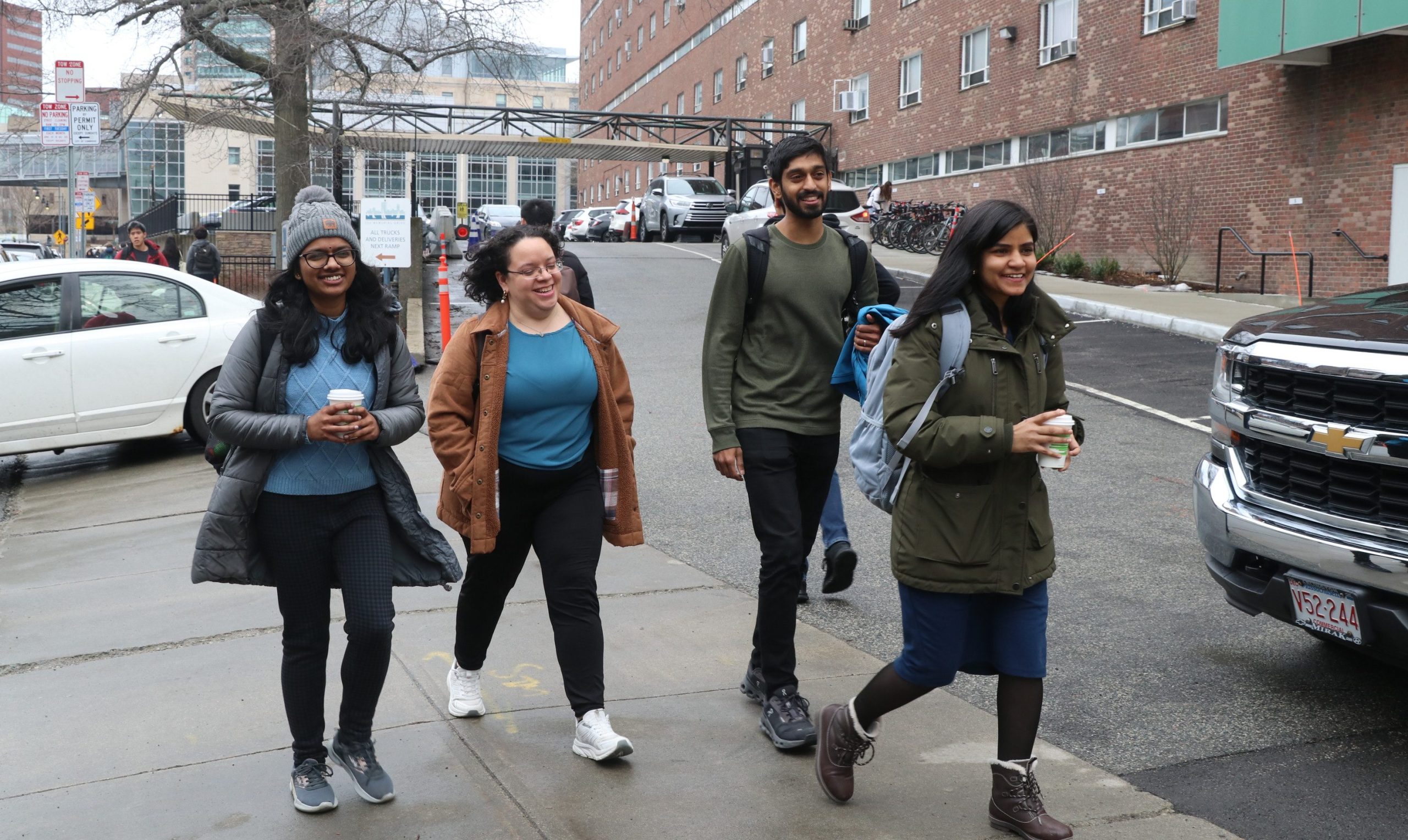
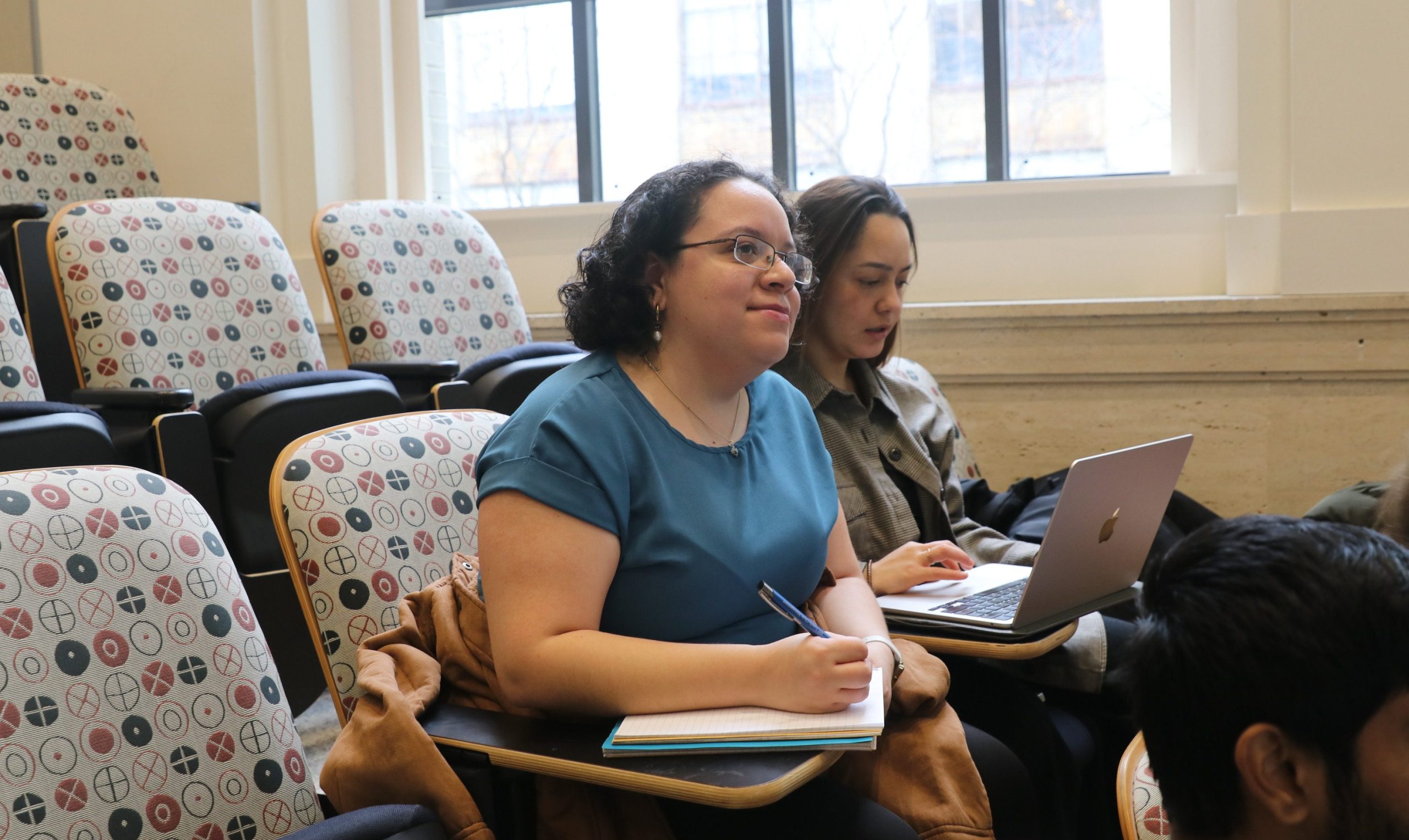
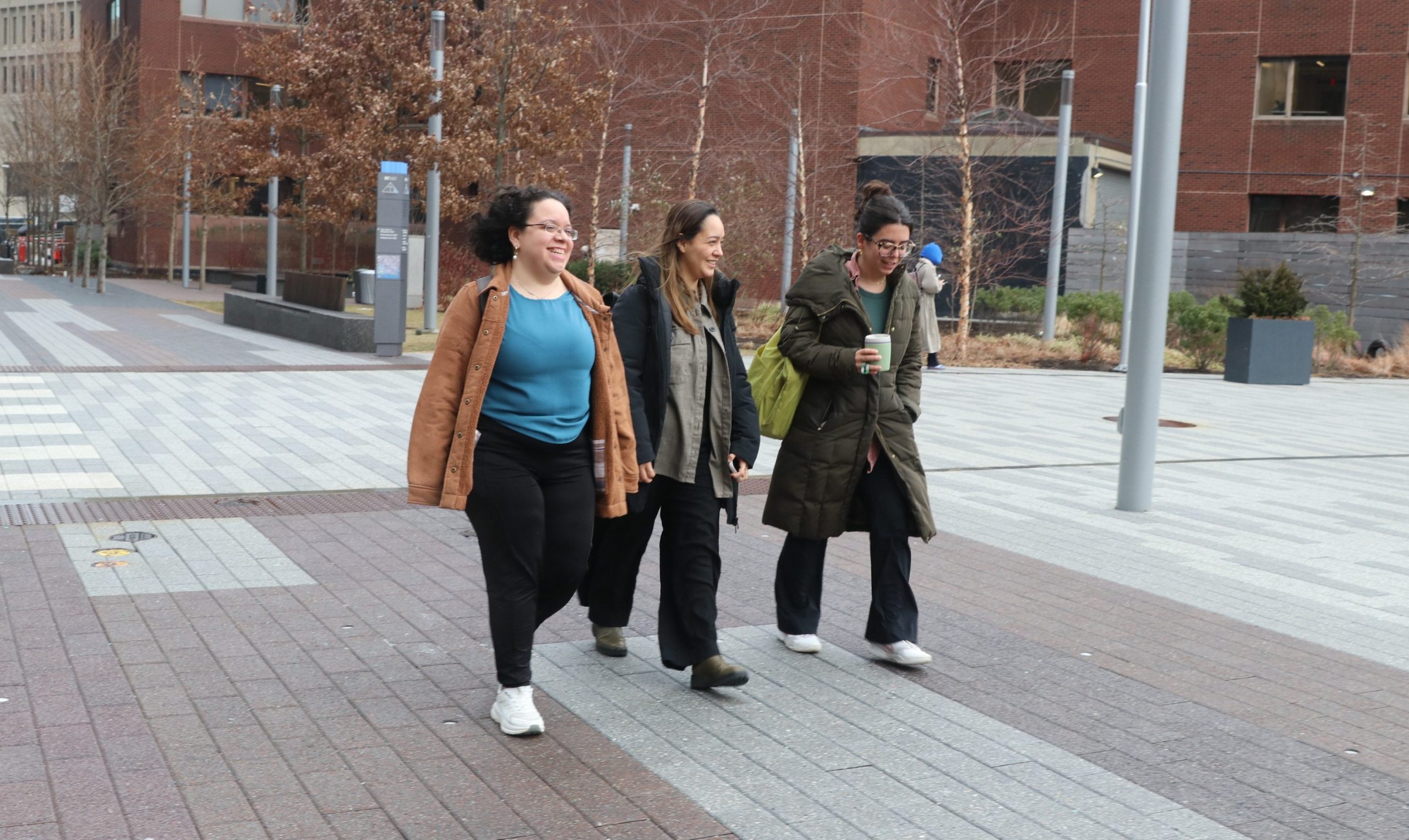
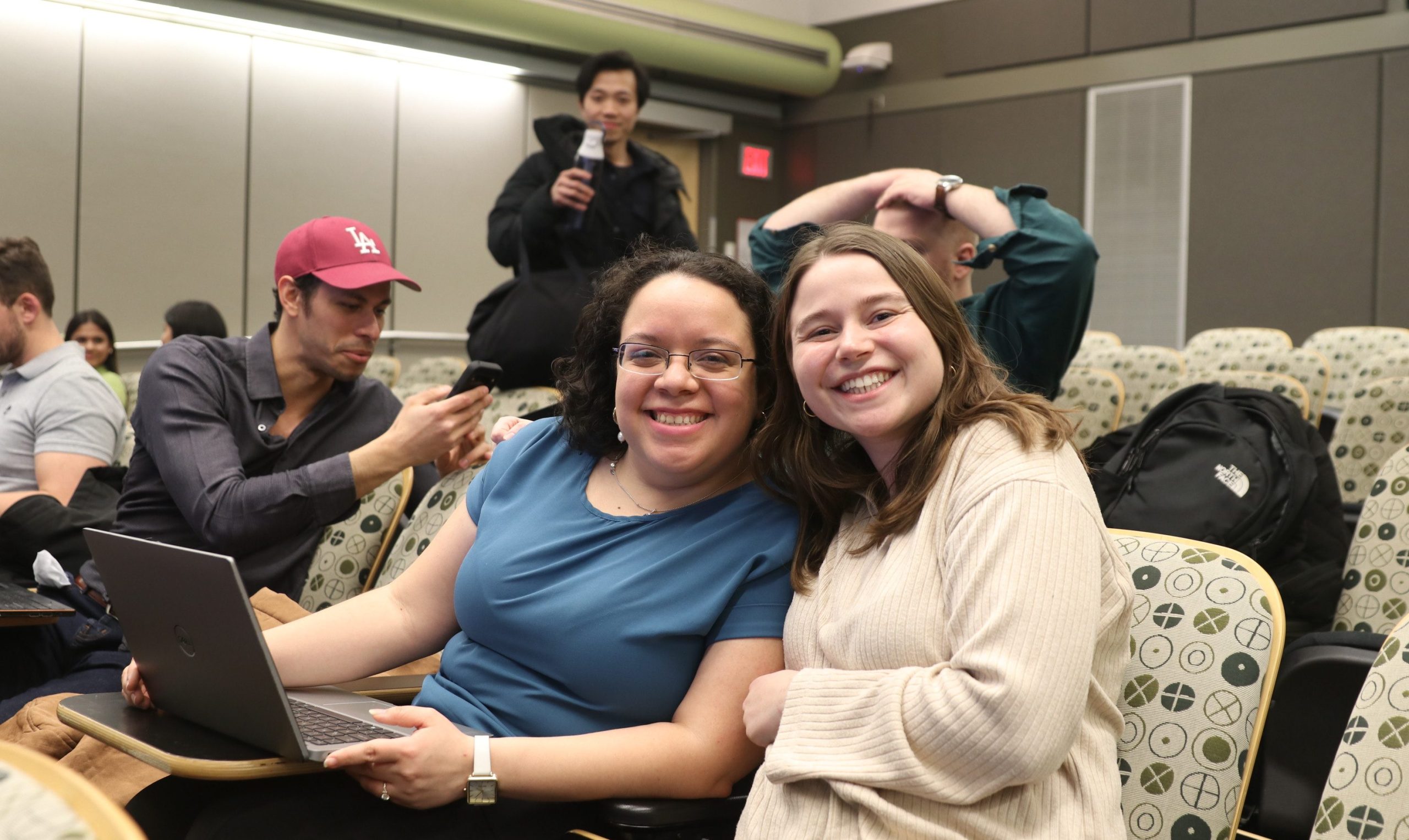
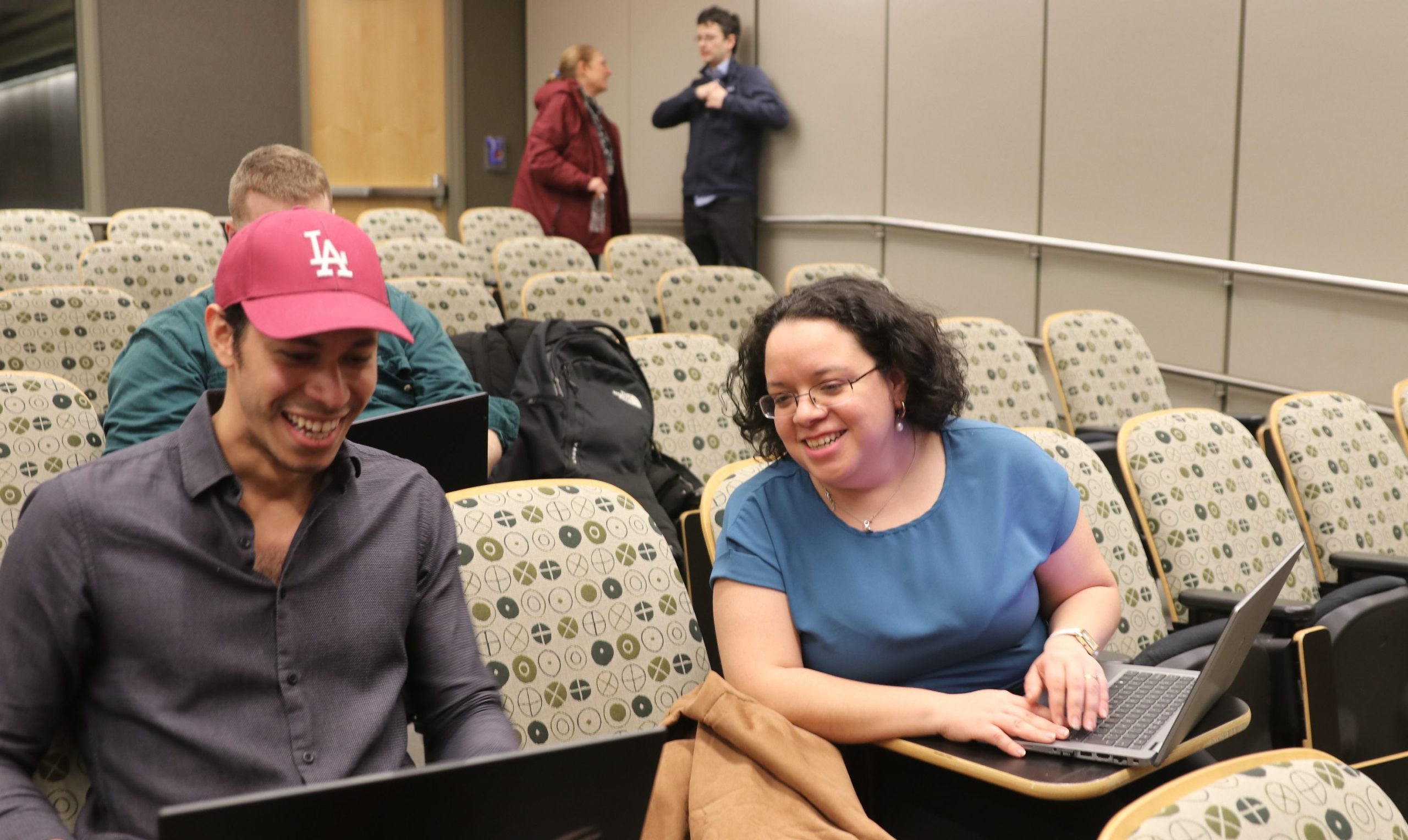
    Being a student at MIT does not come without its challenges. Between the courses, assignments, team meetings, and other responsibilities, it is easy to feel overwhelmed. Thankfully, the university counts with many events that help make one’s journey at MIT a great experience by balancing out the academic with the social.

    During the Spring semester, MIT hosted a wide variety of events; whatever your interests are, you can find an event for it. From pet therapy to talks about technological advances, from musical interpretations to presentations on leadership, there is a vast list of events to cater to anyone’s needs. To me, these activities added to my experience at MIT by exposing me to new environments and allowing me to connect with the MIT community. As a mom, the family-oriented events were invaluable, as I was able to meet other parents while providing entertainment for my son. I also had the satisfaction to create lasting memories with friends outside of the class environment.

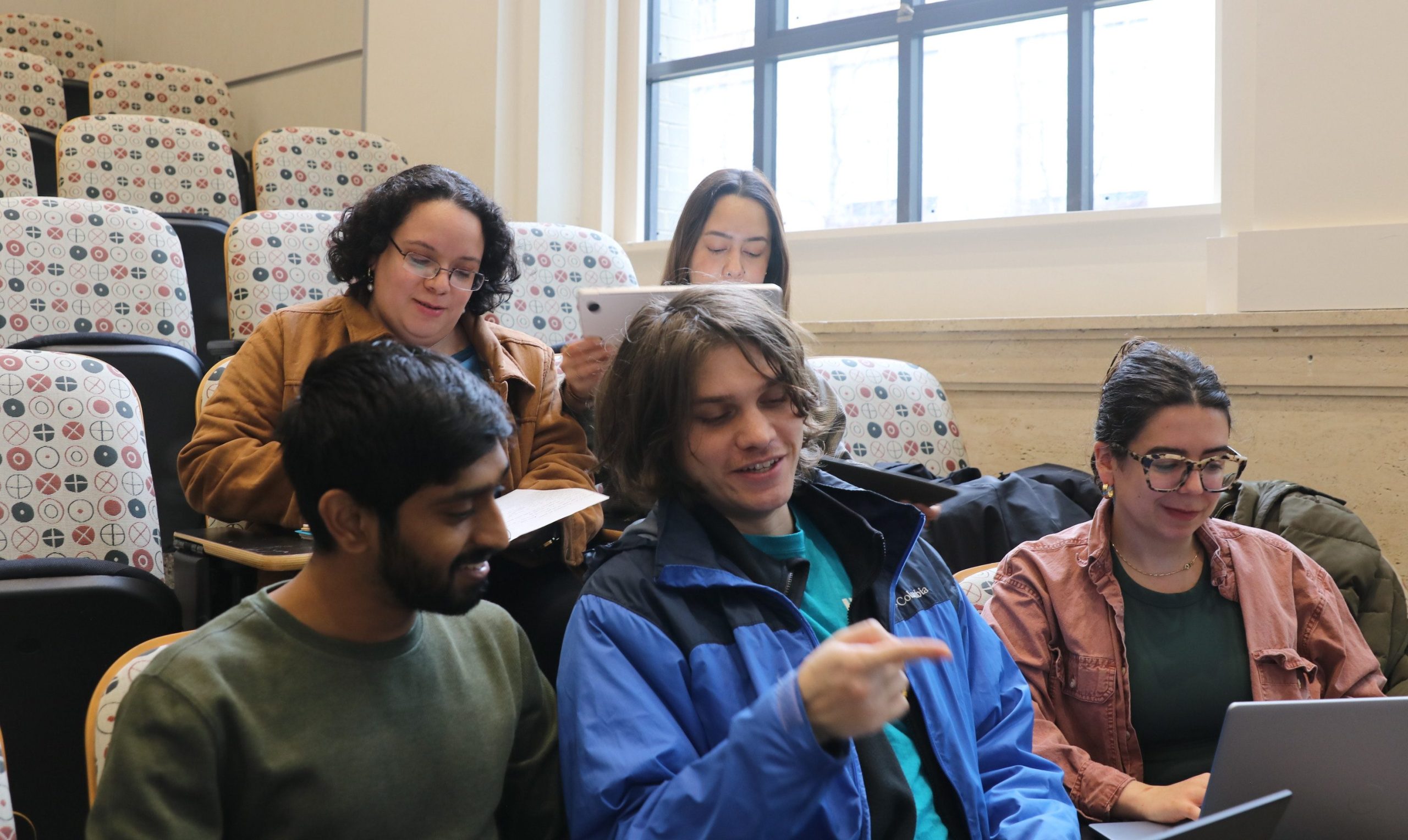
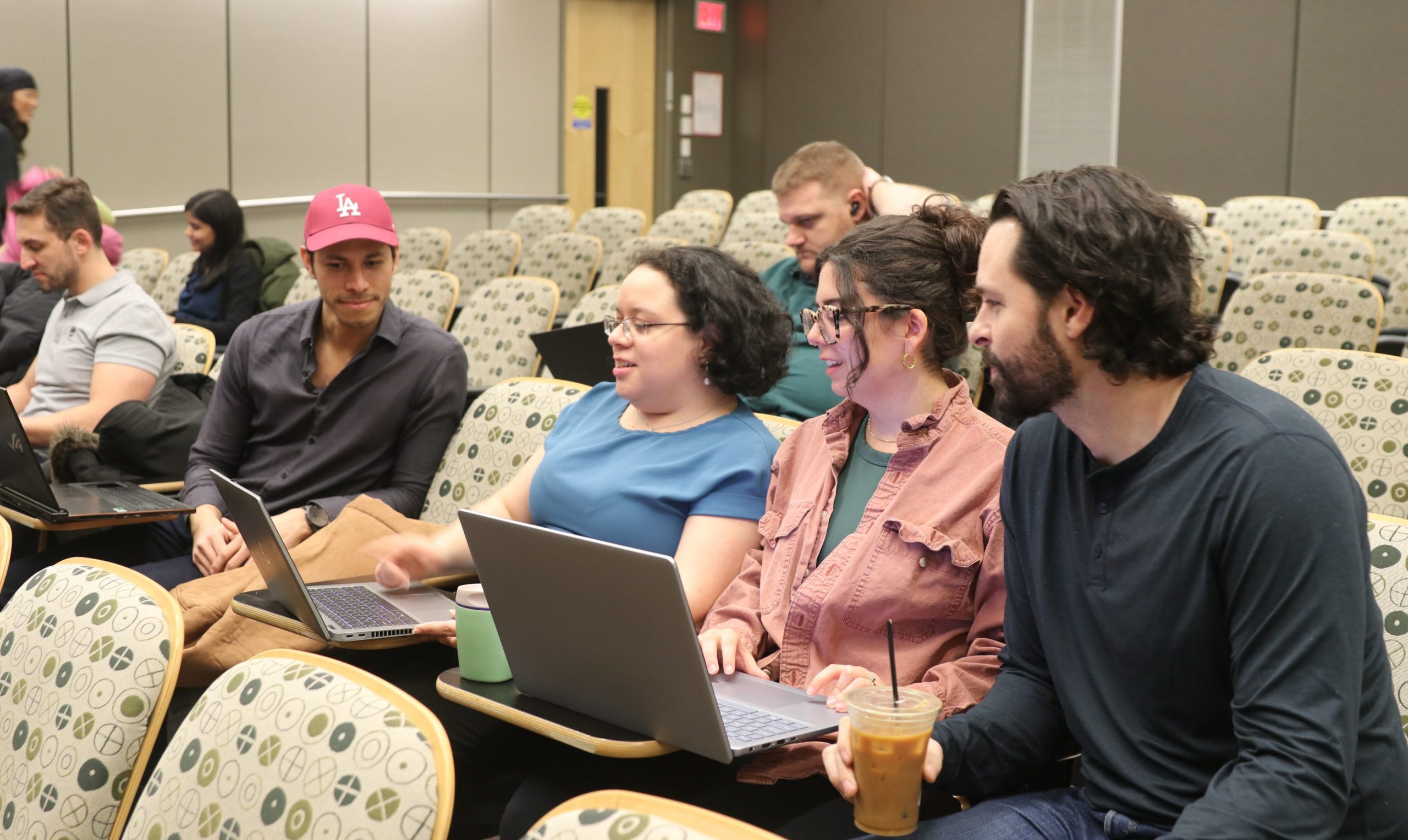
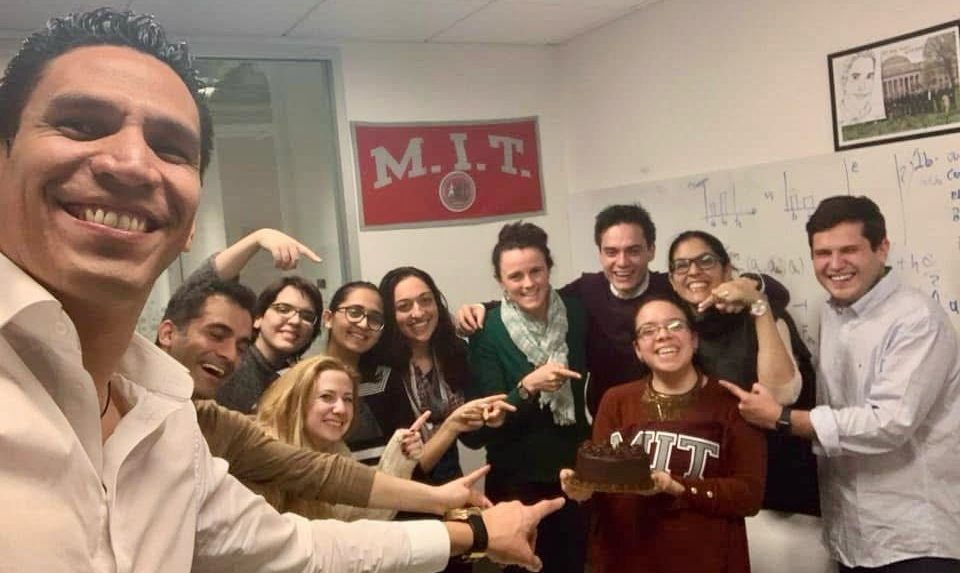
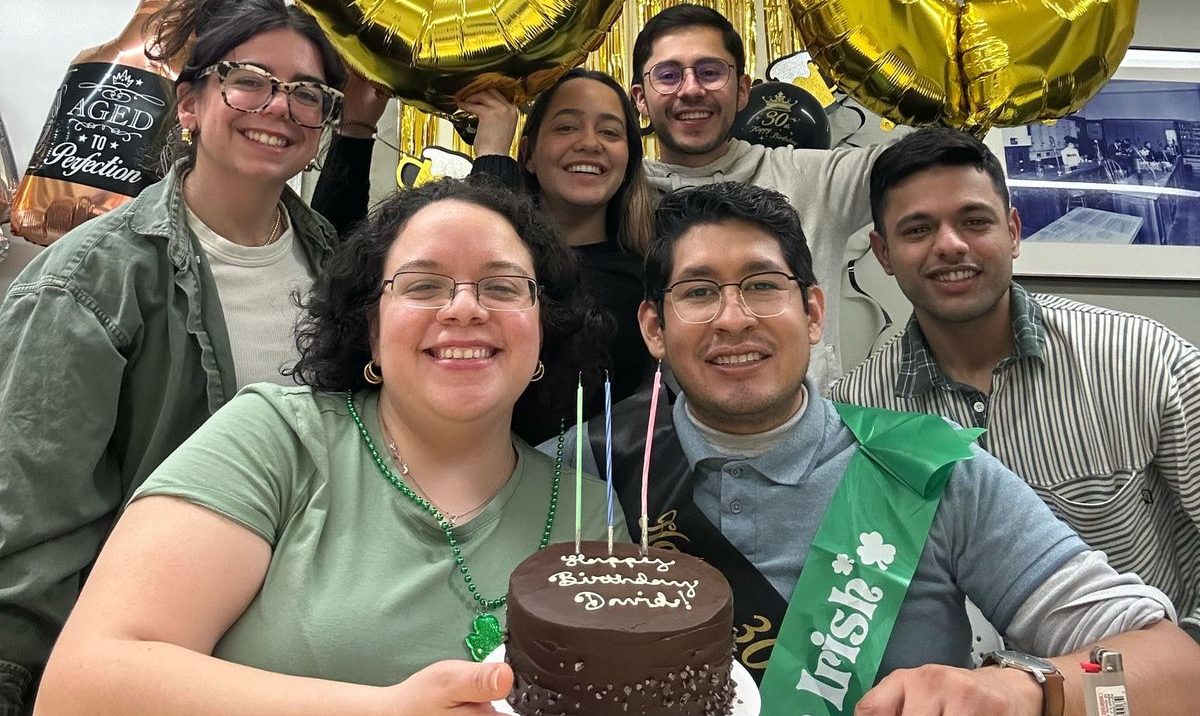
    The SCM program is also quite strong at creating opportunities for its graduate students to bond and have fun. As a blended student, my in-person journey started in January. IAP, i.e. the winter semester, is packed with networking events which allow you to get to know your classmates quickly and in a entertaining way. Then, throughout the semester, there are more opportunities to build and strengthen relationships. For the study trek, our class had the awesome chance of traveling to San Francisco and Panama City. We visited various well-known companies, attended networking events with MIT alumni, celebrated birthdays, and discovered what the nightlife had to offer.

    The fun does not stop at the staff-lead events. As one of the Event Leads for the blended class, my teammates and I organized parties to celebrate various cultures represented in our group. Each month, we had at least one event for the blended group, one for the residentials, and one for the entire SCM 2023 class. We had a great time discovering the Brazilian cuisine, learning we had rockstars among ourselves during karaoke, and throwing paint at each other for Holi. No matter the day, there was always an activity to do with friends!

    Discovering San Francisco during Study Trek
    Celebrating Carnaval with our Brazilian friends
    Sing off at Karaoke Night
    Pet therapy day with SCM friends
  • From Ship Design to Supply Chains

    June 15, 2023

    How do you go from designing ships to orchestrating global supply chains? Sounds like quite a leap, doesn’t it? Yet, that’s the journey I embarked on when I transitioned from a career as a Naval Architect and Marine Engineer at Shell to a Master’s program in Supply Chain Management at MIT. In this post, I’ll share my journey of transition, the challenges I faced, how I prepared myself, and the valuable lessons I’ve learned.

    Discovering My Interest in Supply Chain Management

    Growing up, I always had a passion for math and science, leading me to pursue an education in engineering. This interest led me to a fulfilling career at Shell where I worked on Floating Production Storage and Offloading (FPSO) projects, immersing myself in diverse aspects of maritime engineering.

    A training at Shell introduced me to the intricacies of the company’s value chain. This sparked my curiosity for the larger picture of strategic decisions, setting the stage for my future exploration of supply chain management.

    While working on critical projects during COVID-19 our work was often held up by supply chain issues for key items. One instance that stood out was when the team needed to replace a valve in the FPSO disconnection system so the asset was ready for hurricane season. The issue was discovered during prep work for hurricane season, so we did not have long to get this part. Due to COVID-19 delays it was going to take until the beginning of hurricane season to get one part. The team was able to work with the supply chain team and got the part right before hurricane season. This episode not only highlighted the importance of effective supply chain management but also prompted my interest in this field.

    Choosing MIT’s Supply Chain Management Program

    Once I decided to deepen my understanding of supply chain management, I researched top programs across the United States. MIT’s Supply Chain Management program, ranked number 1 in the QS World University Rankings and Eduniversal group rankings, stood out.

    To get into the program, I emphasized my unique engineering experience and knowledge about ocean and barge transportation from my stint at Shell. I was convinced that this knowledge would add value to the learning environment and my peer network at MIT.

    Preparation and Transition

    The shift from a corporate to an academic environment was daunting due to not having been in a classroom in 3 years. I prepared by focusing on program prerequisites, refreshing my analytical skills, and picking up programming using Python via online courses. The gradual transition through orientation was a huge help in transitioning back to the classroom.

    Lessons from the Program

    The program has not only been an enriching academic journey but also a platform for cultural and industrial exchange with peers from diverse backgrounds. Some of my favorite classes so far have been logistics systems, system dynamics, competitive strategy, and supply chain case studies.

    System dynamics helped me view problems in a different way and look at the whole system and how different parts of the system interacted in feedback loops. Many of the examples we used in system dynamics came from the oil and gas industry, so I was able to use my background to contribute to class discussions and provide insights. Competitive strategy and supply chain case studies were built on each other, so I was able to apply what I learned in competitive strategy to the class discussions in supply chain case studies. One notable case study that we discussed was comparing the strategies of Halloran and Allied steel during a market downturn. Using Porter Five Forces I learned in competitive strategy I was able to understand the industry well and get a better understanding of both companies’ strategies.

    Linking Past and Future

    Transitioning from engineering to supply chain management was more than a career switch – it was a natural progression that allowed me to combine my engineering background with my interest in strategy. My engineering background developed my logical thinking required to tackle supply chain problems using a systematic approach. Engineering also gave me the analytical tools I needed to succeed in my classes. Moving forward, I plan to apply these analytical tools in my role as a consultant for AlixPartners.

    Concluding Thoughts

    Transitioning from a career in engineering to a Master’s program in Supply Chain Management can open up exciting opportunities for career advancement and personal growth. My journey has been both challenging and rewarding, and I eagerly anticipate the new paths this will lead me down.

    If you’re considering making a similar move, I encourage you to take the leap and pursue your passions. The rewards of challenging yourself and expanding your horizons can be truly transformative. Are you considering a similar transition? What’s holding you back?

  • Brig. Gen. Stephanie Q. Howard Visits MIT Center for Transportation and Logistics (CTL)

    November 18, 2021

    Since the advent of warfare, logistics has played a crucial role in the success or defeat of armies on the battlefield. Put most succinctly by Alexander the Great: “My logisticians are a humorless lot. They know they are the first ones I will slay if my campaign fails.” The famous Chinese strategist and general Sun Tzu warned “the line between order and disorder lies in logistics.” Corporate perceptions of logistics shifted in the 1950s from a field relegated to military campaigns towards recognizing the value in a cadre of professionals devoted to supply chain management including external suppliers, shippers, warehousing, and final delivery to the customers. As one of the most powerful militaries in the world, the United States Army has few peers. What sets it apart from most are the robust logistics capabilities – from power projection at air and sea ports, to the ability to rapidly deploy in a moments notice to support ongoing operations around the globe*. A critical component of this ability is resident in the U.S. Army Reserve component. Roughly 70% of current logistics capability in the Army resides in the Army Reserve, from fuel and cargo trucks to medical and supply capabilities.

    Last month, the three-part Military Speaker’s Series at CTL kicked off with a visit from Brig. Gen. Stephanie Howard, Commanding General of Army Reserve Sustainment Command. These sessions highlight overlap in the public and private sectors and share lessons learned on leadership, supply chain, and organizational challenges. Joining us at MIT from her headquarters in Birmingham, Alabama, Brig. Gen. Howard spoke to SCM master’s students about the challenges of sustaining an army in the field, and the U.S. Army organizational structure that sustains, innovates, procures, and fields the equipment needed to fight, win, and compete in the world today.

    The Army Reserve Sustainment Command is part of the 377th Theater Sustainment Command and directly supports the Army Sustainment Command and Army Materiel Command — two entities that integrate materiel requirements from the Army and Combatant Commanders through procurement and life-cycle maintenance of this equipment. ARSC provides support through augmentation of these commands and specialized officers and non-commissioned officers trained in contracting, procurement, and program management. 

    A graduate of West Point with 30 years of experience as an Army leader, Brig. Gen. Howard spoke to the class about operational planning, yu change management within large organizations, and fielded questions from students about the government’s role in support of civilian authorities, as well as how civilian oversight of the military works in the United States. The group also discussed how contingency operations are generally not constrained by cost in the initial stages, but as the operational environment and mission turns into long-term sustainment missions, there are key challenges in transitioning systems and processes into cost-effective solutions.

    *Read more about how the US military’s approach to supply chain management has evolved.

    Post author LTC Brian Young (US Army Reserve) is one of three 2021-22 CTL Military Fellows in the Supply Chain Management program.

  • When the Show Ends

    June 23, 2021

    In the last week of the MIT SCM Master’s program, I started to think of how I started my MIT journey. Surprisingly, I’d first heard of the MITx MicroMasters Program in Supply Chain Management at the end of a music concert. While I work as a supply chain professional in the transportation field in Brazil, I am also a member of a Christian rock band! Through both roles, I have had the great privilege to travel to many new cities, sharing my supply chain knowledge and, through the art of music, my beliefs. After one such performance, I was talking to the person who had kindly invited us to play that night. It was an engaging and wide-ranging conversation, where we discussed everything from soccer to faith. Somewhere in the between, he mentioned that he was just concluding an online course from MIT. He was actually part of the first MicroMaster’s class!

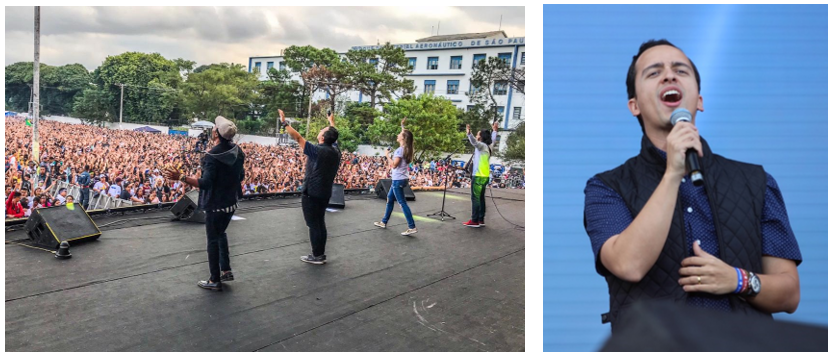
    Paulo sings with his band in front of a crowd (left) and a close up shot of the performance (right)

    I must confess, in that moment my mind froze. Just the mention of MIT stopped me in my tracks. As an engineer (but not only because of that), attending MIT had always been a dream. As I was probably not going to be able to concentrate at any other discussion topic from that moment on, I started to ask questions about the course. He explained that it was related to supply chain, and that it could pave a way to a master’s degree from MIT. And he was right! Four years later, I am on here on the MIT campus, a few days from my graduate commencement.

    Playing to a packed stadium

    As I gratefully remember that conversation, I can clearly see the three lessons learned from it:

    1. Endings can be amazing starting points. I thought my night was ending – the concert had been booked, prepared, and performed – but that was actually where my future began.
    2. What we think are separate parts of our lives can merge like streams and take us further than imagined. Balancing music and supply chain has not always been easy, but I do it because I believe both are part of my life’s purpose. When we are guided by purpose, we are indeed living.
    3. Casual conversations can guide us to incredible opportunities. We can always learn something from our connections and collaborations. That person probably did not realize that night how completely a simple comment has impacted my life. I am so grateful to this, that it has become a daily prayer for me: that I can impact others in a positive way, even when I do not realize it.

    Maybe someone who is reading this today is at the end of something, just like I was at the end of a concert that night. If unique adventures start when another finishes, let the show end!

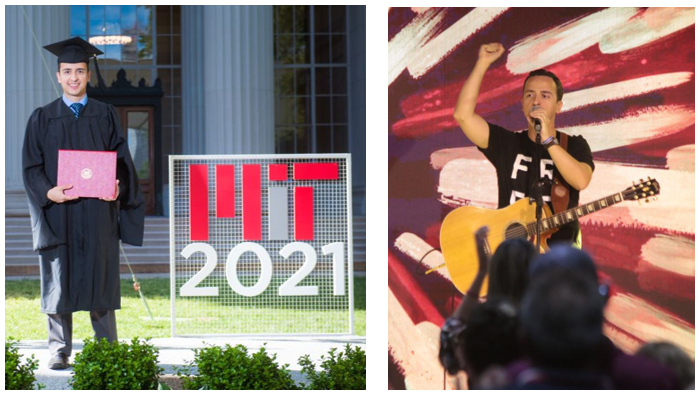
    The two sides of the author’s career, as an MIT graduate (left) and performing for a crowd (right)
  • Project Hunting in the Concrete Jungle

    May 14, 2021

    In New York City real estate, it is well understood that every apartment can be judged by three key characteristics: proximity, quality, and price. It is also well understood that you will have to pick two. If you want that gorgeous, spacious two-bedroom, close to downtown, you can expect to pay out the nose. If you want something you can afford and don’t want to move to White Plains, you’ll have to learn to stir pasta while you shampoo. In short, NYC apartment hunting is a trial by fire to quickly figure out your true priorities.

    SCM Research Expo (2019): The first chance to share your project with classmates

    MIT Supply Chain Management students face a similar crucible in choosing their Master’s capstone/thesis project. Though capstones are assigned via algorithm (it is MIT after all!) you will need to rank all the available projects during the bidding process. For that you must consider three key components: the topic, the advisor, and the data. And just like with NYC real estate, you have to decide what’s most important to you.

    The Topic:

    This is the most obvious feature: what is the project about? You might already know exactly what you want – or don’t want – to study based on past experience or future ambitions. Alternatively, you may be less decisive on topic and instead prioritize the project logistics to guide your decision. Just make sure you pick something you can get interested in, because you’ll be spending a LOT of time on it. (Though I can promise that there is no such thing as a boring capstone.)

    The Advisor:

    Icons of all the CTL labs dot the wall
    Not a board game! These icons represent all the CTL labs!

    All the CTL research advisors are wonderful, and you are guaranteed to learn a lot and stretch yourself academically. But there are still ways to narrow down who will be the best fit for you. Different advisors have different approaches to managing students; one may give you full autonomy to take the project in any direction, while others may see it as a collaborative partnership. I recommend reaching out to alums or the advisors themselves if you want to learn more about their current research or project style. Of course, if there is already a specific researcher or lab that you are interested in, this is your chance to work with them!

    The Data:

    No matter your project or advisor, the availability of data is a KEY concern. If you pursue your own project (an option for students in the blended cohort) make sure that data will be available to you in a form that you can work with. For company sponsored projects this will be an important aspect of evaluating the project. Most research projects from CTL labs already have data available, or at least a firm plan on how to acquire it. No matter what, make sure you have data as early as possible – trust me, it will save you headaches later.

    For me I didn’t have a particular research area that I definitely wanted to study. I was coming to MIT to hear different perspectives in an array of concentrations, so I was open to any project that sounded interesting. I also knew that no matter the project was, it would be important that I form good relationships with my partner and advisor. Finally, I knew that not having data would stress me out significantly. With so much going on I didn’t want to introduce more uncertainty, so I bid highly on the projects with solid data and from advisors I knew from the MITx MicroMasters Program in Supply Chain Management.

    I ended up working with Dr. David Correll studying ways to improve the performance of American truck drivers. I was also partnered with someone I already knew from the MicroMasters! Even with the end of semester stress, I’m still thrilled with how this all turned out.

    Research Fest (2019) – Where all the final results are revealed

    Obviously, the perfect NYC apartment does exist. It doesn’t come around very often, sometimes not for years, but every now and then your find a unicorn: conveniently located, beautifully built, and rent controlled. If you find one, make sure you do what you can to grab it. The same is true for project selection – happy hunting!

    A view of typical NYC apartments. Source
  • Introducing SCMb Class of 2021!

    March 19, 2021

    The Spring Semester is underway here in Cambridge, which means it’s time to introduce the Blended Cohort of the MIT SCM class of 2021! When we all arrived at the beginning of the year, most of us blended students were excited, if not a bit nervous, to see what MIT was all about. Now that we have a few weeks of classes under our belts, I’m thrilled to report that MIT lives up to the hype (even during COVID).

    We have spent the past few months moving, acclimating, meeting new friends, and challenging ourselves. And now that we’ve gotten a chance to get to know each other, we thought it would be a good opportunity for you to get to know us as well.

    Who are we?

    The blended cohort is made up of 37 professionals from around the world. At an average, we are a little older than the residential students and with a bit more experience. We hail from all different industries and have held many different positions. We even have an entrepreneur with his own successful business and a village official currently up for re-election in her hometown. We also have a wide array of passions ranging from SCM sustainability to birding.

    Where are we from?

    We come from all over the world! We represent 18 different countries and have been having a wonderful time sharing our language, food, and cultural heritage with each other. For example, I learned that in Venezuela it is commonly understood that if you accidentally take a sip of your friend’s drink you automatically learn all her secrets. A handy thing to know indeed.

    Map of the SCMb Students' Countries of Origin
    Map of the SCMb Students’ Countries of Origin
    What did we study?

    This is pretty common at MIT, but I would be remiss if I didn’t admit that the blended students were a bunch of nerds. While 64% of us majored in engineering during undergrad and another 18% majored in business, there is diversity in our degrees, including Chemistry and Sociology. 35% of us already have a Master’s degree in our arsenal and are now back in school for more. And of course, we have all studied the material in the MIT SCx courses.

    SCMb Students Experience Profile
    SCMb Students Experience Profile
    What’s next?

    So far, the SCM program has been exciting, exhausting, and enthralling. Though COVID prevents some of the fun we might have had, we have still come together (virtually and in person) to get as much out of our short time on campus as possible. We’re excited to see what’s next and to look forward to sharing those experiences with you!

  • To the Mom applying to Grad School:

    January 20, 2021

    How Motherhood Led Me to MIT

    This post was first published on the MIT Graduate Admissions Blog in Dec, 2020.


    “Can’t believe you got it done with children! Good for you!” an old friend told me.

    I received similar remarks from other people as they learned that I had applied, enrolled and now attend graduate school with two young toddlers; they applaud my ability to do so DESPITE motherhood. However, as I reflect on my journey to grad school, I know it is BECAUSE OF motherhood I am here today.

    Two years ago, if you had told me that I would be moving cross-country with my two toddlers and spouse to attend a rigorous graduate program at MIT, I would probably say it would be highly unlikely (in your dreams, girl.)

    But here I am. Having moved cross country to the beautiful MIT campus with said toddlers and spouse, I realize the dream has become reality.

    I think the common presumption is that motherhood is a roadblock, maybe even a weakness, as you pursue grad school. Maybe so, if you are referring to the amount of actual productive time we have in a day to focus on preparing for entrance exams or drafting our application. However, since grad school is interested in your whole self, motherhood is part of our story and identity as women.

    To all my grad school hopeful moms out there, I wanted to share how motherhood has helped me and motivated me to apply for and get into grad school.

    Finding my reason
    A major part of the grad school search and application process is understanding why you want to do it. Thanks to motherhood, I was able to hone in on what I care about and how that will shape what I wanted to do.

    A turning point in my life was in January 2019. I remember sitting in the back seat of a cab in the coldest capital of the world, 8 months pregnant, on my way to the hospital because of severe abdominal pain and barely able to breathe because of the smog that enveloped my city – Ulaanbaatar, Mongolia. Smog created by the fire from the “ger districts”, equivalent to slums, that are increasing day by day as more people from the country are forced to move to the city to find work. Statistically, one in ten pregnancies is lost because of air pollution and I remember feeling very scared for my child’s life. My baby made it out, but I remember going back that day and for the first time, caring enough to look for answers that could help alleviate this problem.

    One of the key answers was simple and yet complex – folks in the country lacked the proper logistics and supply chain management know-how to take full advantage of their opportunities in growing and selling their local businesses and resources. I realized how integral supply chain management is to prevent mass urbanization and sustain life in the countryside for mothers and their children.

    Ultimately, this experience as a mother gave me a newfound perspective and mission on the environmental problems as well as the supply chain solutions back home. Motherhood helped me realize why I needed to pursue a graduate degree in this field.

    Finding confidence
    The graduate school search and application process is daunting and can increase self-doubt. I remember peering through the class profiles of graduate schools and feeling like I may not be good enough.

    After giving birth to my second born, I remember feeling the strongest I have ever been. The constant chaos of my life wearing many hats, including the caregiver of two tiny humans helped me realize the strength, ability and capacity to grow and stretch myself. I am a fighter, problem solver, taskmaster, protector, chef, teacher, nurse, coach, driver, friend and so much more. I truly believe that motherhood helped me believe in myself and realize my potential. I now know that Mother is synonymous with Superwoman.

    Oftentimes, it’s not because we are not good enough but because we cannot imagine ourselves in situations we deem unreachable. Motherhood gave me the confidence to apply and picture myself at MIT. I found the confidence to say yes, I am going to apply and realize this dream.

    Redefining success
    Sometimes we don’t start because we are scared we won’t be able to finish or get our desired outcomes. We define success as the final result: getting into your dream program. We can be so fixated on this success that we shy away from doing anything that can be deemed a failure (not getting in).

    During one parents’ meeting at a community class, the instructor reminded us (parents) about success as parents that stuck with me throughout my best, and especially, worst days: “When your child grows up and remembers you, they will not be recounting the time you “failed” to arrive in time for pickup because a work call went over, but rather the times you encouraged them or re-read that book for the 100th time.” The point was that if you know you are giving your all, the failures you deem as “failures” don’t matter, but the process does.

    The true joy of parenting comes from the process of the day to day struggles and triumphs. The stuff we see as failures does not always translate that way when we look at the big picture. My children will not remember the mistakes I recount in my head at the end of day. But they will remember how much I loved them.

    We often ask ourselves, what if I fail as a parent? What if I am not good enough? But motherhood has taught me to trust in the process and not fear the daily, weekly, or sometimes monthly mistakes. I have learned (slowly, but surely) that the process IS the success. If you have gone through the process, you haven’t failed. You may have just achieved a different outcome that is equally successful.

    So much thought and introspection goes into a grad school application. You also reconnect with old colleagues and friends. You learn more about who you are, what you want and where you want to go. Knowing that no matter what, I succeed, I realized I do not need to fear and put my best foot forward as I applied to grad school.

    The same lesson and perspective can be applied to how we respond to other challenges (ahem, grad school!) in our lives. Do we want to shy away from challenges because we are so focused on preconceived notions of failure, or do we take them head on? I am learning to do the latter.

    So, my fellow mothers, know that you are stronger because of motherhood and go ahead, send in that application.

  • Goodness of Fit

    October 22, 2020

    Getting through the semester can feel like a marathon, but MIT and the Boston area have many resources to help you train your body and mind.

    MIT Recreation
    Even during the pandemic, MIT has opened some of its fitness facilities, taking necessary precautions to keep students safe. A few options I recommend trying are:

    • The Alumni Center – this is a smaller facility, but very close to building E40 where many SCM classes are held. It has free weights and weight machines, cardio equipment, studios, and a pool. This is my favorite facility – I enjoy the less-used space, and the music they play is always fantastic!
    • Zesiger Center – this is MIT’s main recreation facility. It has everything the Alumni Center has and more! There are squash courts, multipurpose activity courts and an indoor golf range. For those in student housing, this facility is very convenient!
    • Steinbrenner Stadium – MIT’s 400 M all-weather track is a dream come true for runners! There are certain hours that it is open for students, and is right next to the Zesiger Center, making it convenient for those in student housing too!
    MIT Running Track

    MIT Physical Education
    If you miss high school pickleball days, this is for you! MIT offers a wide variety of PE Classes, including pickleball, archery, golf and sailing. Many of these classes are offered for beginners, so students can take something they never thought they would try.

    Fun with Classmates
    Our class has not one, but two yoga teachers! We’ve had the opportunity to participate in socially distanced yoga, using space in Killian Court. Not only has yoga been a great way to keep the mind in check, but it’s been a great way to get to know classmates!

    Classmates have also kayaked on the Charles River, gone rock climbing, and played pick-up sports at the Z-Center! I hope in the spring semester there will be a trophy winning SCM volleyball team too!

    Yoga at Killian Court

    Boston Running
    My personal favorite way to keep my mind and body sound is through running. Boston and Cambridge have a number of running paths, and while the formal running community is on-hold during the pandemic, the running culture is still thriving. From Cambridge there are so many easily accessible running routes:

    • Charles River Esplanade – this offers 17 miles worth of running along the river. It follows along the Boston and Cambridge side, and is my favorite place to run in the city.
    Charles River Esplanade
    • The Emerald Necklace – This is a series of parks, and it offers an extremely peaceful run. This route is a bit further from Cambridge, but offers a tourist vibe, passing Fenway on the way. When I’m there, I often forget I’m in the middle of a city. One can log at least 5 miles in the park alone, so it’s great for a weekend long-run.
    • Boston Harborwalk – This route is also a bit of a jog from Cambridge, but I recommend finding it and taking it into Seaport. The view of the city from here is by far my favorite!
    Boston Harbour

    These are some of my favorite ways to keep fit while in school, but I’d love to hear from former or current students! What are some of your favorite ways to keep fit while in Cambridge?

    All photos captured by the author.

  • Introducing SCMr Class of 2021!

    September 28, 2020

    I remember entering a manufacturing plant three years ago, starry-eyed, not fully comprehending that the image of myself I had as a kid was finally coming true. The initial enthusiasm paved the way for highly interesting projects, and before I knew it, I had my team of new hires. I realized that this was my calling when I was working towards making the environment feel more welcoming to women on the operations floor for the first time, and came across indifference, mockery and in an extreme case, even cat-calling. 

    Focused on grasping the entirety of manufacturing and inventory management on the production floor, I found myself gravitated towards the MIT Supply Chain Management Master’s Program, to learn above and beyond. On November 22nd, I was dancing away at my friend’s big fat North Indian wedding when I saw the email that began with “Congratulations!” 

    I don’t remember reading beyond this; I was frantically trying to reach my parents holidaying in the extreme south, and struggling to find words to break the news to my friends at the wedding. It’s happening. I was finally going to MIT. 

    For a long time, it felt like a dream that I would soon wake up from. Only when the Telegram and WhatsApp groups for the class were created and started flooding with people did it finally sink in that I was going to be surrounded by some of the best minds from all around the world. Sure, Covid disrupted the world, but what better time to bring together a team of talented supply chain professionals? 

    Our 38-person class is a wonderful mix from 15 different countries from 5 different continents.

    Alongside the rich cultural mix, the class is also enriched with a variety of educational and professional backgrounds.

    With an average work experience of 4.8 years, the class is filled with stories across industries ranging from the military, non-profit to retail and aerospace. 

    In an extremely interesting turn of events, Covid-19 forced our entire orientation to go fully online. Here’s introducing the Supply Chain Management Residential Cohort, Class of 2021, taking the orientation from the comfort of their homes!

    MIT SCM Class of 2021 Zoom Selfies

    While we missed out on the on-campus experience for a few weeks, it definitely didn’t deter us from working together as a team (even if it was to build boats!)

    MIT SCM students participated in hybrid remote teamwork exercises with Thompson Island Outward Bound Professional programs during 2020 Orientation

    We’re learning our way through this unusual year. We are managing our class schedules while getting tested for Covid twice a week; we are learning to master the art of making the best first impressions on Zoom; and most importantly, we are learning to have fun in the safest ways possible (read: socially distanced yoga sessions by the river!) 

    A month into classes, and I’m still in awe of my amazing classmates. I’m looking forward to bringing to light their varied experiences and stories. 

  • Janus Reflection

    May 28, 2020

    It is a warm afternoon at Cambridge, just hours after I handed over boxes of personal effects to a mover. My room looks larger now, it is noticeably emptier, no more MIT pennant on the wall and no more books on my desk. Tomorrow is Commencement day. I throw myself onto the only chair in my room, the golden hour arrives and I gaze upon the shimmering tip of the Green building next to the Dome from my window.

    In Roman mythology, Janus is a god of transition, of both beginning and end. He has two faces, one looking forward and the other facing backward. He symbolizes a period where both the past and the future is equidistant to each other. That is why we still call the first month of the year January, the month of Janus.

    I call this note Janus reflection because exactly at this point my mind wanders simultaneously around the past and the future, around memories and post-graduation vision. I still vividly remember the morning I received the admission letter to the program. I woke up seeing a single notification on my email inbox and my heart stopped when I read the first word “Congratulations!”. I was staying over at my parents’ house for Easter weekend. I ran like a child downstairs and immediately hugged my mom, “I did it, I’m going to MIT!”. It was definitely one of the most memorable days in my life. But even then I knew that more memories were yet to be made in Cambridge.

    Both within the SCM program and the larger MIT community, I have had the privilege of meeting and interacting with impressive figures. As a former EdX learner, it was quite a moment to see Chris Caplice in flesh. His teaching voice and intonation definitely sounded very familiar during SCM.260 Logistic Systems. On top of that, I managed to take a class in System Dynamics, which had been developed by the legendary Prof. Jay Forrester at MIT back in the 1950s. The class was taught by Prof. Hazhir Rahmandad who won System Dynamics Society’s Jay W. Forrester award for the best research paper in the field. Though the weekly assignments were time consuming and demanded thorough analysis, I definitely enjoyed every second spent working on them. For several times, I also had the chance to meet Prof. John Sterman, the writer of “Business Dynamics” textbook, arguably the primary reference for system dynamics discipline and successor to Prof. Forrester’s “Industrial Dynamics”.

     In November, I was also really honored to attend a conversation session (and of course take a picture) with Prof. Abhijit Banerjee of MIT Economics who, together with Prof. Esther Duflo and another professor from Harvard, had just won the Nobel prize in Economics for their work in development economics. Day after day, there were almost always memorable encounters with brilliant individuals both in and out of classes. Also there were various events with lots of speakers from leadership positions in industries and academia. I felt like I wanted to attend all the interesting events and all available classes everyday but of course it was simply impossible. One thing is for sure, at MIT students never ran out of opportunities.

    Carlos Rafavy at Muddy’s

    Residential students have the possibility to take beyond the required subjects in the program in order to be eligible to receive additional certified credentials from other school at MIT. At MIT Sloan School of Management, three certificates are offered in Sustainability, Business Analytics, and Healthcare. In my case, I decided to pursue the Sustainability certificate. There were 3 required subjects and 2 electives required for the certificate. Luckily for me, System Dynamics was part of the required subjects, the other 2 were S-Lab and Capstone Seminar in Corporate Responsibility. For electives, I decided to take Josué’s class in Sustainable SCM and an interesting, essay-heavy subject in Technology, Globalization, and Sustainable Development by Prof. Nicholas Ashford. Sustainability had been a hot topic and I wanted to expose myself to the diversity of opinions and research about it. The class by Prof. Ashford was particularly helpful in chronicling the history, development, and evolution of not only environmental, but also socioeconomical, sustainability issues from the perspective of national and multinational policy making. In Sustainable SCM, a more specific emphasis was placed on the  implementation of environmentally sustainable practices within supply chain processes. Finally, in S-Lab I got the chance to put all those theoretical knowledge and reflection into practice by developing proposal for real companies and other organizations in order to address their relevant sustainability issues. All in all, the whole additional course of studies in Sustainability has significantly enriched my understanding and perspective about the role of businesses in achieving a sustainable world where humans and environment thrive together.

    Back in my dorm room, I am now looking at the blockchain-based digital diploma from MIT before they mail the paper-based one later on. There it is, Master of Applied Science in Supply Chain Management under the big beautiful letters that read “Massachusetts Institute of Technology”. To many people around the world the name MIT is enough to evoke admiration and various positive stereotypes on whomever is lucky enough to be associated with it. Having spent one academic year in Cambridge, within and around the walls of the Institute and the people in its community, I am not at all surprised with why such reputation has built up. This place is indeed special. Here in my Janus moment, and despite this pandemic, I continue to be deeply thankful for the memories of this place and program that have been part of myself, and the upcoming adventures that it enables me to embark on. So here’s to the memorable past behind us and exciting adventures ahead!

    Carlos Rafavy – SCMr 2020
Previous Page
1 2 3 4
Next Page
Stay Informed
Take the first step to joining our vibrant supply chain community.
Sign Up to Learn More

At the MIT Center for Transportation & Logistics

The MIT Center for Transportation & Logistics has been a global leader in supply chain management innovation, education, and research for fifty years. It has educated practitioners worldwide and has helped numerous companies gain a competitive advantage from its cutting-edge research.

Contact us at scm-admissions@mit.edu

Apply Now
  • Admissions
  • Directory
  • Education
  • Employment Outcomes
  • Experiential Learning
  • Student Experience
  • Search
  • LinkedIn
  • Instagram
  • Facebook
  • YouTube
  • Twitter
  • SCM Voices Blog
  • News and Events
  • Corporate Engagement

MIT Supply Chain Management
1 Amherst Street, 3rd Floor, Cambridge, MA 02142

  • Accessibility