
To describe what the beginning of my MIT journey felt like, let me paint the scene I dreamt up during one of my power naps between classes. In my dream, I had fallen into a dimension like Backrooms, the internet’s favorite nightmare of being trapped alone in a maze of empty rooms. Walking into each strange room, I would find a doppelgänger of myself. One was buried under heavy course loads and projects. Another was anxious about finding his place in the sanctum of geniuses that is MIT.
At MIT, it felt like everything happened at once. To name a few of my experiences, I attended epic lectures from absolute rock stars in their fields and guest talks from major tech figures. I went to an early screening of a Pixar film. I had coffee chats with inspiring entrepreneurs and I met an astronaut alumnus. I took on industry pioneer research projects with world-class humanitarian organizations and industry-leading companies. Last but not least, I rocked out at karaoke with friends. I longed to send my doppelgängers out to experience all of it, instead of watching each shadow drown in the same anxiety I carried.
Before long, the unsettling feeling started to shift. A sense of connection began to emerge. The same kind of pressure had crept up on me before. It happened during my pursuit of the MITxMicroMasters in Supply Chain Management credential, when I was studying late at night and on weekends while holding a full-time job. Back then, it had been washed away by the sense of pride of cutting alternative sourcing time and seizing major cost reduction wins at work. I had pulled that off by applying fresh thinking on vendor strategy to build a supplier relationship management system at my company. The same anxiety eased again when I closed a multi-million-dollar supplier contract, drawing on the supply chain finance and network optimization training the MicroMasters courses had given me.
I realized I shouldn’t have worried about being stuck in a strange place alone, because I was not alone. I had worked with teams across different cultures, solved problems in vastly different industries, and led cross-functional projects. I had even supported the organization of a Guinness World Record-breaking charity event. Each challenging situation had forced my shadow to split off an able-bodied doppelgänger, a helper able to surface a strategy or spark inspiration at the right moment. MIT coursework and projects pull from real-world cases to teach the latest hands-on methods, and the instincts I had built over a decade of professional training kicked in alongside them. I started taking on each day with more confidence and ease.
Better still, my crew of doppelgängers kept expanding. Each one broadened its horizon by learning from my cohort, the teaching staff, and the wider MIT network I came across.
In my procurement class, we tore through a spend analytics case comprehensively. Supplier concentration mapping, contract and payment compliance scoring, and price variance detection turned what used to be instinct into structured methodology. The classroom dynamic was where the real lift came from. Classmates from completely different industries and professors with rich experiences bounded off each other’s reasoning. A new doppelgänger stepped forward out of those exchanges, one that paired the gut feeling I trusted with the rigor my classmates kept demanding.
Managerial Finance pushed me into business case discussions where the vocabulary was not yet mine. Enterprise evaluation, capital allocation, and reading financial statements through an executive lens forced me to think upstream of the supply chain. What carried me through was watching how my classmates approached the same case from completely different angles. Each round of discussion left me with a new frame to try on. By the end of the term, another doppelgänger had joined the crew, fluent enough to translate operational decisions into the numbers that leadership expected.
That collaborative spirit carried into the most technical work too. Over my time at MIT, I ended up on two exciting fronts in AI today: agentic AI on a team project, and Graph Neural Networks on my capstone. The late-night debates, the rebuilt code, and the willingness to challenge every assumption pushed each of us further than we could have gone alone. Out of that work, a doppelgänger with capability in machine learning joined the crew, with an appetite to challenge the status quo.
The cohort itself was an amazing source of knowledge and inspiration as well. Our peer learning presentations passed expertise around the room like a deck of cards. From modern warehouse design and strategic contracting to music therapy and lifestyle choices, I learned something new from each session. I was unexpectedly mind-blown by a wardrobe optimization session on how to pull four professional looks from the same shirt. Not to mention the countless sparks drawn from bouncing ideas around during a quick game of squash, or a morning jog across the Charles River.
After all this, I want to say that tackling MIT is not just about chasing a 5.0 GPA or landing a pioneering project. For me, it has been about organizing my own strengths together and expanding my potential synergistically. Even on the last day of the program, I was still playing tug-of-war between competing priorities, but I no longer felt lost or anxious. I had assembled a team of my own doppelgängers. One takes leadership. One thrives in creative strategy. The other harnesses the analytical power of machine learning. This army of me’s can now march through Stochasticity and create innovative solutions in a way I had not experienced before.
There is no better place to build that than MIT. This university creates a community of remarkable people from wildly different backgrounds, all sharing the same goal of bettering themselves and bettering the world. Along the way, I explored a unique learning curve and built some of the most exciting friendships of my life.
I am certain that your own doppelgängers are out there. Some have already been forged into the work you have done and the people who have pushed you. Others are waiting for the next hard problem you decide not to walk away from. They are eager to unite with you, and together, this army of you will reach further and higher.
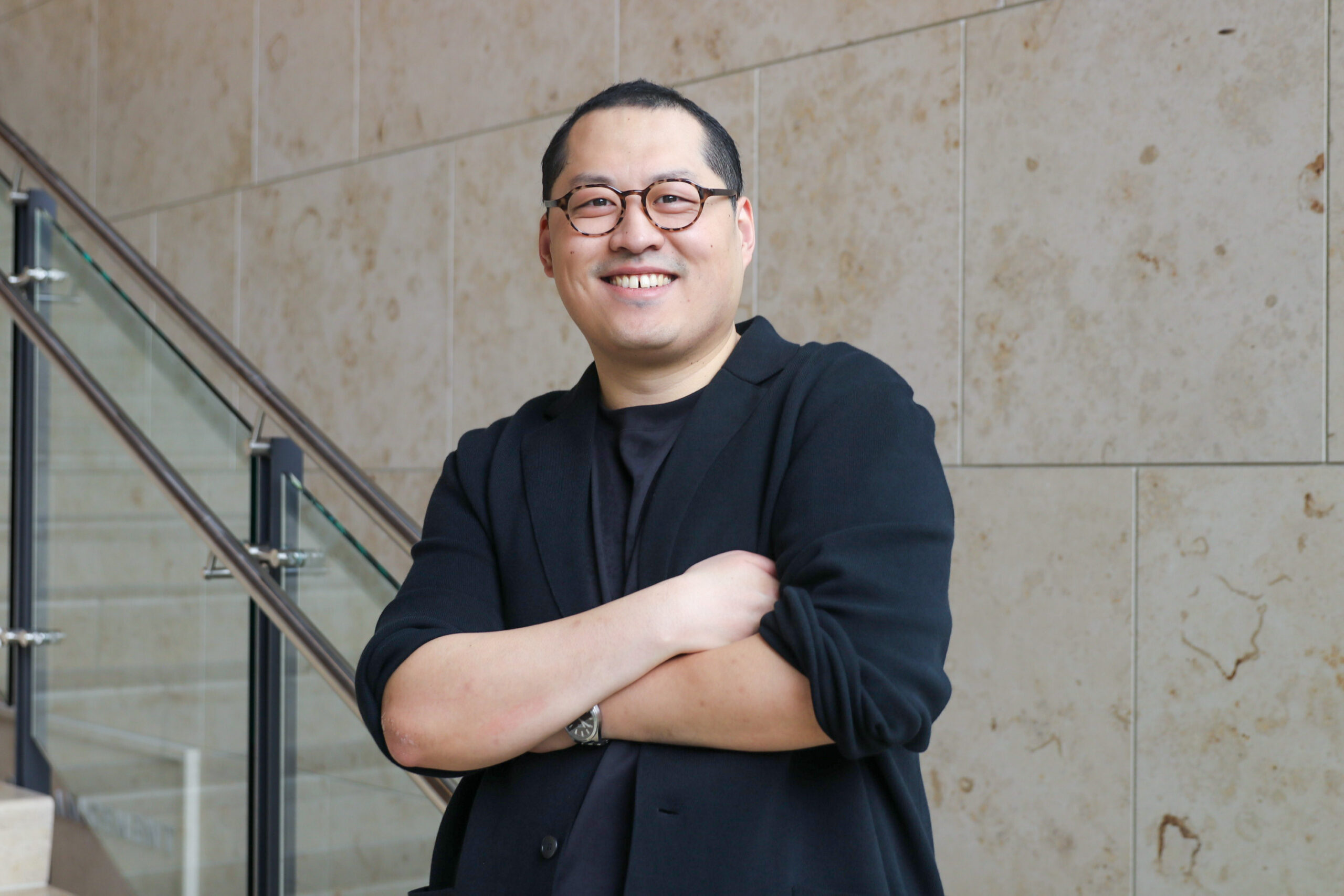
Alex Wu graduated from McGill University with a double bachelor’s in food science and nutrition, and brings over a decade of experience across procurement, supply chain project management, consulting, and product management across aerospace, e-commerce, and consumer packaged goods manufacturing. He has set out to leverage modern technology to enable rapid, comprehensive data analysis, get to the root of systemic operational challenges, and guide core business decisions that drive efficiency, agility and sustainability.